Author: unimorweb

  • 5 Money Personality Types: Which One Are You?

    5 Money Personality Types: Which One Are You?

    Like almost everything else in life, your response to money is largely dictated by your personality. But have you given much thought to how you behave in regard to your finances and how that behavior affects your bottom line?

    Understanding your money personality is the first step and will help you shape your approach to spending, saving, and investing.

    KEY TAKEAWAYS

    • It may be useful to understand the various money personalities when finding the right approach to investing, spending, saving, and the overall management of your finances.
    • Five common money personalities are investors, savers, big spenders, debtors, and shoppers.
    • Debtors and shoppers may tend to spend more money than is advisable.
    • Investors and savers may overlap in personality traits when it comes to managing household money.
    • Big spenders and shoppers often have similar habits, but big spenders tend not to worry about debt, and shoppers may spend more time hunting for bargains.

    The Five Money Personality Types
    Character traits regarding money can be classified into specific groups. This subject has been analyzed in a variety of ways, and many people can identify with parts of several of these money personality profiles. The key is to find the type that most closely matches your behavior. The major profiles are big spenders, savers, shoppers, debtors, and investors.

    1. Big Spenders
      Big spenders love nice cars, new gadgets, and brand-name clothing. People with a ‘spending’ personality type aren’t typically bargain shoppers; they are fashionable and always looking to make a statement. This often means a desire to have the latest and greatest mobile phone, the biggest 4K television, and a beautiful home. When it comes to keeping up with the Joneses, big spenders are the Joneses. They are comfortable spending money, don’t fear debt, and often take big risks when investing.
    2. Savers
      Savers are the exact opposite of big spenders. They turn off the lights when leaving the room, close the refrigerator door quickly to keep in the cold, shop only when necessary, and rarely make purchases with credit cards. They generally have no debts and may be viewed as cheapskates. Savers are not concerned about following the latest trends, and they derive more satisfaction from reading the interest on a bank statement than from acquiring something new. Savers are conservative by nature and don’t take big risks with their investments.
    3. Shoppers
      Shoppers often develop great emotional satisfaction from spending money. They can’t resist spending, even if it’s to buy items they don’t need. They are usually aware of their addiction and are even concerned about the debt that it creates. They look for bargains and are happy when they find them. Shoppers are varied in terms of investing. Some invest regularly through RRSP plans and may even invest a portion of any sudden windfalls, while others see investing as something they will get to eventually. Money personality traits are always not one-size-fits-all, and it may be possible for people to have overlapping characteristics when it comes to managing their finances.
    4. Debtors
      Debtors aren’t trying to make a statement with their expenditures, and they don’t shop to entertain or cheer themselves up. They simply don’t spend much time thinking about their money and therefore don’t keep tabs on what they spend and where they spend it. Debtors generally spend more than they earn and are deeply in debt while not putting much thought into investing. Similarly, they often miss taking advantage of the company match in their RRSP plans.
    5. Investors
      Investors are consciously aware of money. They understand their financial situations and try to put their money to work. Regardless of their current financial standing, investors tend to seek a day when passive investments will provide sufficient income to cover all of their bills. Their actions are driven by careful decision-making, and their investments reflect the need to take a certain amount of risk in pursuit of their goals.

    Make These Changes to Your Money Personality
    Once you determine which of these personality types describes you the most and have put some thought into how you approach money, it’s time to see what you can do to make the most of what you have. Making small changes can often yield big results.

    Spenders: Shop a Little Less, Save a Little More
    If you love to spend, it’s likely that you are going to keep doing it, but you should seek long-term value and not just short-term satisfaction. Before you splurge on something expensive or trendy, ask yourself how much that purchase is going to mean to you in a year. If the answer is “not much,” skip it. In this way, you can try to limit your spending to things you’ll actually use. When you channel your energy into saving, you have another opportunity to think long term. Look for slow and steady gains as opposed to high-risk, quick-win scenarios. If you really want to challenge yourself, consider the merits of scaling back.

    Savers: Use Moderation
    Ben Franklin once recommended “moderation in all things.” For a saver, this is particularly good advice. Don’t let all of the fun parts of life pass you by just to save a few pennies. Tune-up your savings efforts, too. Pinching pennies is not enough. While minimizing risk is any investor’s prime goal, minimizing risk while maximizing return is the key to investing success.

    Shoppers: Don’t Spend Money That You Don’t Have
    A critical step for shoppers is to take control of their credit cards. Unchecked credit card interest can wreak havoc on your finances, so think before you spend – particularly if you need a credit card to make the purchase. Try to focus your efforts on saving the money you have. Learn the philosophy behind successful savings plans and try to incorporate some of those philosophies into your own. If spending is something you do to compensate for other areas of your life that you feel are lacking, think about what these might be and work on changing them.

    Debtors: Plan Your Finances and Start Investing
    If you are a debtor, you need to get your finances in order and set up a plan to start investing. You may not be able to do it alone, so getting some help is probably a good idea. Deciding on who will guide your investments is an important choice, so choose any investment professional carefully.

    Investors: Keep Up the Good Work
    Congratulations! Financially speaking, you are doing great! Keep doing what you are doing and continue to educate yourself.

    The Bottom Line
    While you may not be able to change your money personality, you can acknowledge it and address the financial challenges that it presents. Managing your money involves self-awareness; knowing where you stand will allow you to modify your behavior to better achieve your financial and life goals.

     

  • Combat Inflation with 5 Easy Steps

    Combat Inflation with 5 Easy Steps

    Inflation. The new but not so pretty buzz word. You’ve likely heard it millions of times over the last several months and you’ve definitely experienced it, within your bank account. The price of everything has gone up. And it’s not just high-ticket items; it’s groceries, it’s gas, it’s everyday items that fuel your household and your lifestyle. Feeling broke lately? You’re not alone.

    Due to a number of factors, including supply chain issues following global Covid-19 pandemic lockdowns and the Russian-Ukrainian conflict, inflation is making all kinds of goods — from groceries to gas — much more expensive than they were even a few months ago. In June, inflation hit 8.1%, the highest year-over-year increase seen since the 1980’s.

    Even when it’s not at a high-point, inflation is an unavoidable reality for all Canadians. No matter the economic conditions, the price of goods eventually rises over time and your money will buy less than it once did. The amount that increase occurs (expressed as a percentage) is the rate of inflation.

    Where inflation really starts to impact the average Canadian is when the increase in the price of goods outpaces the increase in wages, compromising your purchasing power. When inflation hit that 8.1% mark in June, hourly wages rose just 5.2%.

    How to Hedge Against Inflation
    So, what can the average Canadian do about these rising costs? Fortunately, you don’t need to earn a finance degree or enlist a financial advisor to deal with inflationary woes. In fact, advisors recommend using the same sensible money-saving tactics they share during boom times, such as tracking expenses, tackling debt, and avoiding risky investments.

    1. Track Your Spending Closely
      Budgeting is the mainstay advice of personal finance advisors everywhere but keeping to a rigid plan is more difficult than ever. How do you keep to a predetermined limit when the price of everything from milk to Mercedes’ are rising every month? While you may be able to hold off on buying a Benz, the price of essentials, like groceries and gas, have increased, too.Eating is an expensive habit, and it’s not something we can cut from our budget — we’ve got to eat. When we hit up the grocery store, inflation is hitting us back.While you can’t simply buy less food, going to the grocery store armed with a list and your calculator app can help you save. By considering unit pricing, this is the cost per measurement, usually by 100 grams at grocery chains like Food Basics or Metro, you can get more of your favourite foods for less.
       
      The results of a little math are often surprising. Family deals can be more expensive than smaller purchases and sometimes that’s on purpose. Shrinkflation, where brands shrink the size of a product but keep the price the same, can bite.
       
    2. Tackle Debt as Fast as Possible
      Canadians owe a lot of money. In fact, StatsCan estimates the average consumer owes $1.73 in consumer credit and mortgage liabilities for every dollar of their income. This high debt-to-income ratio isn’t new, but the Bank of Canada’s current overnight rate of 2.5% (which is 10 times higher than it was at the end of 2021) is making interest rates on loans higher, meaning those debts are even more expensive to pay off.And, of course, inflation means there’s less spare cash to pay off your loans. If you are spending more money on food, rent and gas for your car, that leaves less money to service your debt. The first tip to surviving inflation, unsurprisingly, is to tackle consumer debt as fast as possible to avoid the snowball effect of interest rates overwhelming your finances.
       
      If you have multiple debts, you should tackle the one with the highest interest rate first. This means a payday loan repayment, which could have the equivalent of a 500% interest rate, should take priority over a credit card with a standard 19.99% rate.
       
      Once you’re free of your largest debt, turn your attention to the one with the next highest interest rate. But what happens if you can’t pay everything back? If reducing your expenses or getting a side hustle isn’t enough to destroy your debt, asking your bank for a balance transfer offer may help.
       
      The premise is straightforward: if you transfer a balance to your credit card up to its limit, you can keep it on the credit card at 0% interest for anywhere from six to 12 months. Taking advantage of something like that during this climate is amazing, this is a way to still pay down your debts, and pay them down faster, without the crazy interest rates.
       
    3. Use Cash Back Credit Cards or Bank Accounts
      Earning cash back on essential expenses like gas and groceries can be a simple way to put money back in your pocket. It’s a way to make sure that every dollar you spend is coming back to you in some way. Typical cash back credit cards will give about 1% to 2% back — not a whole lot, but certainly better than nothing. However, some cards can give up to 5% back on groceries, for instance, and others have welcome offers offering 10% back in your first few months.
       
      If you go the credit-card route, keep all of your everyday expenses on it to reap the maximum rewards possible. However, make sure to do your research and avoid overspending. Your cash back won’t really be a win if you end up paying interest charges or a hefty annual fee.
       
    4. Learn to Love Coupons
      You probably need all the help you can get with your grocery bill at the moment. Fortunately, major chains like Metro, Loblaws, and Walmart still offer flyers—perhaps you know, the ones your parents or grandparents read religiously for the latest deals—but you don’t have to grab a paper copy every week just to see where you can save the most. Coupon apps allow anyone to save on food, even food that’s close to its expiry date, but still edible. Some of these apps double as grocery lists. Unfortunately, there are downsides to coupon apps, handy as they may seem. Oftentimes, it encourages you to buy things that you wouldn’t otherwise buy, ultimately, it’s up to the individual to make sure they’re sticking to their grocery list and ideally, having some sort of a meal plan.
       
    5. Avoid Volatile Investments
      Despite 2021’s relatively brisk performance, inflation is souring in world markets. Tech giants like Shopify and cryptocurrencies like Ethereum have lost billions of dollars in valuation over the past year, while central banks are warning of impending recession. But that doesn’t mean the stock market is a complete write-off.Investors should look very carefully at companies with a lot of debt. Interest payments are rising, of course, and a company that owes money is paying it back at a much higher rate than they did a year ago. Pick companies with solid financial performance, you want to buy stocks in companies that are likely—and I use that word ‘likely’ very carefully—to perform better than other companies in a rising rate environment. A utility might be more attractive to an investor right now than a tech company or a bank if the latter is holding a lot of debt. Investors aren’t likely to see much in the way of returns if a company’s CEO is forced to spend a lot of their revenue just shoring up existing debt.
       
      If you’re looking to build a diverse investment portfolio that preserves capital, GICs are also an option. At EQ Bank for example, customers can lock in a 1-year GIC at 4.35%. Since a GIC guarantees repayment of the deposit plus interest, it can be a great way to ensure some cash down the road. Plus, the current interest rate situation is actually a boon for them right now.
       
      But one of the most important pieces of advice — can be summed up simply: stay the course. The markets don’t just move up in a straight line, you’re going to get a lot of bumps along the way. And this is just another bump.

    Following Financial Common Sense
    With a recession likely on the horizon, it is easy to panic and assume you need to find a brilliant hack to survive these inflationary times with your finances intact. But tried-and-true financial wisdom will do just fine.

    In fact, even if inflation conditions improve by the time, you read this article, you should consider adopting the suggestions above to keep you on track.

    If we implement these things as part of our lifestyle, then when we see the economy shift — when we see inflation shift — we’re already equipped, and we don’t have to try to scramble to change things.

  • How to Get a Mortgage with Poor Credit

    How to Get a Mortgage with Poor Credit

    Faced with high inflation and rising interest rates, more Canadians are finding it difficult to qualify for a mortgage. The problem can seem even worse if you struggle with poor credit. The good news is that even if your credit history is less than stellar, you may not have to put off buying a home, although you will likely pay more for your mortgage.

    Do You Know Your Credit Score?
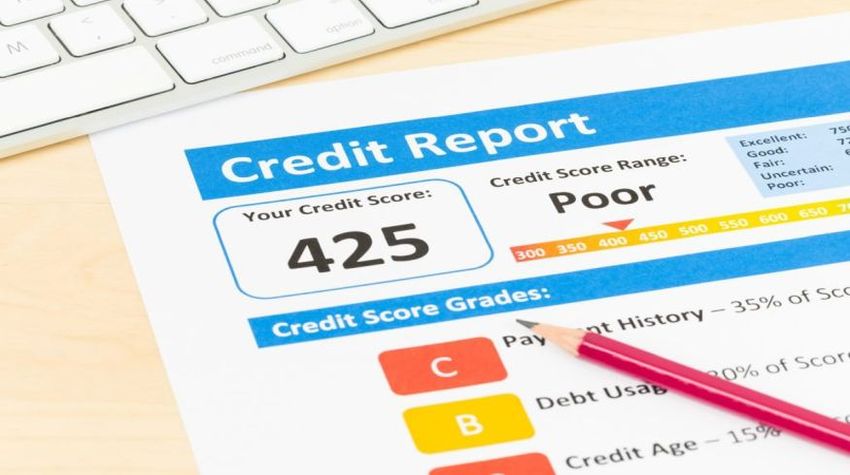
    One of the biggest mistakes people make before getting a mortgage is not knowing their credit score before applying. Recent reports have revealed that more than 50% of Canadians have never checked their credit scores. If you’re only finding out that you have bad credit when you apply for a mortgage, it may be too late to do something about it.

    What is a Good Credit Score?
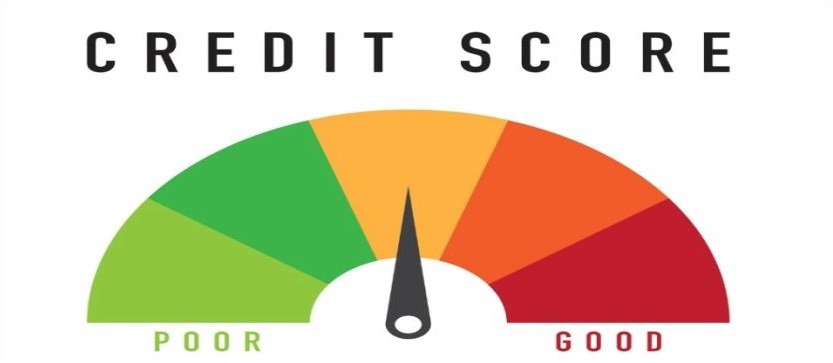
    While lenders can set their own minimum credit score guidelines, the following generally applies:

    • 800 or above: Excellent
    • 720 to 799: Very Good
    • 650 to 719: Good
    • 600 to 649: Fair or average
    • Under 600: Poor

    To obtain a mortgage with a Prime lender (banks and credit unions), you will likely require a credit score of 600 or higher. In fact, any mortgage with less than 20% down must also be approved by Canada’s mortgage default insurance providers, i.e., CMHC, who require at least one borrower to have a minimum credit score of 600 or higher. If your score is below 600, you will most likely need to deal with an alternative or private lender, come up with a 20% down payment, and be subject to a higher mortgage interest rate.

    How to Get a Mortgage with Poor Credit
    If you struggle with a bad credit score, there are still ways to qualify for a mortgage loan:

    Increase Your Down Payment Amount
    If you have bad credit, you can improve your chances of being approved for a mortgage by coming up with a larger down payment. While it’s possible to obtain a mortgage in Canada with as little as 5% down, if your credit score falls below 600, you won’t qualify for mortgage default insurance, and a 20% down payment will be required. A larger down payment has other benefits as well. By avoiding the hefty CMHC premiums, you will save thousands of dollars during the life of your mortgage.

    How to Find More Money for Down Payment

    • Gift from a family member. You can receive a part, or all, of your down payment as a gift from a family member. The lender will require them to sign a gift letter to confirm that the funds aren’t borrowed and that there is no expectation of repayment.
    • Withdraw RRSP funds under the Home Buyers Plan (HBP). If you are purchasing your first home, the government of Canada has a program that allows you to withdraw funds from your RRSP to use towards your down payment. The current withdrawal limit is $35,000. You will have to repay the amount you withdraw into your RRSP, but you have 15 years to do so, beginning in the second year after the year in which you removed the funds.
    • Delay your mortgage application. If you have tapped out all potential down payment sources and are still short, you may have to delay your mortgage application while you save more money. Can you hold off for six months or a year? Consider a side hustle to increase your income and your savings rate.

    Improve Your Debt Servicing Ratios
    In addition to having an adequate down payment and credit score, mortgage lenders must determine if you can afford to make the monthly mortgage payments. To do this, they use two calculations, Gross Debt Servicing (GDS) and Total Debt Servicing (TDS).

    Your total debt servicing (TDS) measures your total monthly obligations as a percentage of your gross monthly income. This includes your mortgage payment (PIT) and any other loans or credit card payments you might have. Your TDS ratio should not be more than 40%, although lenders may accept TDS as high as 44%.

    You can increase your approval chances by lowering your TDS. There are a few ways you can do this:

    Increase Your Income
    I alluded to this earlier but consider ways to increase your income. The easiest is to make more money at the job you already have, by asking for a raise, or getting promoted. If that’s not an option, think about a second job, keeping in mind that a mortgage lender will require you to be off probation before they can use your income for debt servicing purposes. Side hustle income is also great, but it likely can’t be used to qualify for a mortgage.

    Pay Down Existing Debt
    To improve your mortgage affordability, think about ways to free up cash flow by reducing your debt load. Among the worst culprits are huge vehicle loan payments, which have surged to record levels in recent years.

    Avoid Taking on Additional Credit
    You’ve heard the saying, “An ounce of prevention is worth a pound of cure.” It’s easier to say NO to more debt than dealing with the debt you already have (like that massive pickup truck loan.) If you’re in the market for a mortgage, it may be best to avoid taking on other debt. If you do, ensure it will not impact your chances of being approved for the mortgage.

    Go Through a Private Mortgage Lender
    If your credit is so bad that no A or B lender is willing to approve your mortgage application, talk to your mortgage broker about going through a private lender. Private lenders aren’t just ‘bad credit mortgage lenders.’ While they do a lot of bad credit mortgages, they also lend to borrowers who may have decent credit but whose application falls ‘outside the box’ of a bank or credit union.

    Your broker will bring up the private lender alternative before you do. Understand that private lenders charge much higher interest rates than A lenders, but the idea is to deal with them for a year or two and then move the mortgage to a prime lender.

    Obtain a Co-Signer
    If your credit score prevents you from getting a mortgage, another option is to obtain a co-signer. A co-signer must have very strong credit, a solid net worth, and enough income to support the mortgage on their own should the primary applicant fail to make the payments.

    The downside to obtaining a co-signer is that it ties you to that person financially, potentially for several years, in the case of a mortgage. It can also be challenging for the co-signer themselves, as they must include your mortgage PIT whenever they apply for credit, even though they are not making the mortgage payments. For these reasons and more, I don’t recommend using a co-signer, except in rare instances. But it is an option.

    Improve Your Credit Score
    Ultimately, if your credit score is standing in the way of getting approved for a mortgage from any lender, your only other option is to address your low credit score. And while it won’t happen overnight, there are several steps you can take to improve your score.

    How to Improve Your Credit Score
    If you are struggling due to poor credit, there is hope. Here are seven steps you can take to improve your credit score.

    1. Pay off any unpaid collection items. If you have unpaid collections showing up on your credit report, you need to settle them as quickly as possible. These are debts in such high arrears that the lender has sent them to a collection agency to pursue repayment. Generally speaking, no bank or credit union will lend money to someone with unpaid collections showing on their bureau. If you have multiple collection items, I recommend that you start by paying the lowest balance owed first.
    2. Pay your bills on time. If you have bad credit, continuing to make late payments will only worsen matters. Take steps to ensure timely payments going forward. Remember that most companies report late payments as soon as they are 30 days in arrears.
    3. Avoid making excessive credit inquiries. Each time you apply for credit, it counts as an inquiry on your credit report, and your credit score could drop as much as five or ten points, albeit temporarily. If your account shows multiple inquiries over a short period, say six to twelve months, potential lenders may view it as evidence of credit-seeking behaviour, and cause for concern.
    4. Keep Your Credit Utilization to a Minimum. Credit bureaus, like Equifax and Transunion, keep track of your credit utilization: the percentage of available credit you’re using. For example, if you have a credit card with a $10,000 limit and you carry a balance of $5,000, your utilization is 50%. When your credit utilization exceeds 30%, it’s a sign that you might struggle to manage your credit. Credit utilization is a determining factor for your credit score, so try to pay off balances in full, or at the very least, keep them under 30%.
    5. Don’t close longstanding credit accounts. One of the things that strengthen your credit score is the length of time a credit product has been reported to the bureau. When you close a longstanding credit card or line of credit, it may shorten your history and lower your score. And while it’s often beneficial to reduce the number of credit cards you hold, think twice before closing a longstanding account. If you feel like it’s the best choice, wait until after your mortgage application has been approved and finalized.
    6. Check your credit score regularly. What gets measured gets managed, but it could also be stated that what gets measured gets improved. If you check your credit report regularly, you can take corrective action if you notice any downward trends. You can also proactively correct errors and check your account for fraud.

    How Do I Find a Lender Who Will Approve My Mortgage?
    If you’re looking for a mortgage and are concerned about your credit score, your best bet is to consult a mortgage broker. Mortgage brokers have access to dozens of lenders, not just the big banks. They can shop your application to alternative and private mortgage lenders, in addition to the banks and credit unions, giving you the best chance for approval.


  • What Does Mortgage Pre-Approval Mean?

    What Does Mortgage Pre-Approval Mean?

    There’s a common misconception among some homebuyers that if you’ve got a pre-approval, your mortgage is basically guaranteed. This usually isn’t the case. Having a pre-approval doesn’t guarantee the lender will fund your mortgage. Below, let’s explain what a mortgage pre-approval is and whether it’s worth getting one.

    What is a mortgage pre-approval?
    A mortgage pre-approval is a conditional approval granted by a lender based on a preliminary review of your financial situation and creditworthiness. Conditional approval means that they are approving you based on some conditions/assumptions that will have to be confirmed later on.

    While this preliminary approval usually requires a credit check, information about your debts and income are based on details you provide to your broker, which are then shared with the lender. A pre-approval is often based on that information alone, without the lender verifying the documents or knowing which property you’re going to buy.

    For these reasons, a pre-approval isn’t binding until a lender has a chance to do its own due diligence and fully verify your financial information. It will also have to review details of the property you plan to purchase, which can include requiring an appraisal and/or inspection. A mortgage pre-approval is sometimes called mortgage pre-qualification. Each lender can have its own definitions for what it means and what is needed to get one.

    Where do I get a mortgage pre-approval?
    You can get preapproved by different kinds of mortgage lenders and mortgage brokers. A mortgage broker can help you quickly compare and choose from many of the following types of mortgage lenders:

    • Big Banks
    • Credit Unions
    • Mortgage Companies
    • Trust Companies
    • Insurance Companies

    Each lender will have its own mortgage offerings that you need to compare. Aside from the interest rate, ask your mortgage broker about the fees, penalties, and other costs. Ask about mortgage prepayment options and find out about the kind of customer service that they offer. For example, does your mortgage company provide online access to your account? Is there an app where you can track your balance and payments? Is it easy to contact them to make changes or inquiries?

    What do I need to get a pre-approval?
    Your mortgage broker can give you specific details on the documents needed. Each lender will have different expectations, and some documents might not be needed right away.

    Your mortgage broker will need to understand:

    • Your income
    • Your debts
    • Your assets
    • You may be asked to provide documents for your pre-approval, including things like:
      • ID (driver’s license, passport, etc.)
      • Proof of employment (such as a recent pay stub)
      • Proof of your down payment
      • Proof that you can pay for closing costs (usually 1.5% of the purchase price)
      • Information about your other properties if you own any
      • Separation agreement, child support information, student loans, and car loan information

    What Happens After I Get Pre-approved?
    Once you are preapproved, you should make sure you understand the terms of the pre-approval. You will need to know:

    • How long the pre-approval is valid (usually 60-120 days)?
    • What happens if rates go down? Will your rate drop also?
    • Anything else you don’t understand about the lender or mortgage.

    Also, once you have a pre-approval, you should avoid the following:

    • Don’t change jobs before you move, even if the new job has a higher pay.
    • Don’t apply for other credit, including store credit for furniture, vehicle loans, credit cards, etc.
    • Don’t make any major purchases without checking with your mortgage broker first.

    Pros & Cons of a Pre-Approval

    The Pros:

    • The process is generally quick, and a lender can let you know roughly how much you qualify for based on the preliminary financial information you provide.
    • Peace of mind while house-hunting. Having a pre-approval can give you greater confidence when shopping for your house, as you can set an appropriate budget based on the mortgage you qualify for.

    The Cons:

    • Not all lenders offer pre-approvals, which could limit rate options somewhat for those wanting a pre-approval.
    • A pre-approval usually isn’t a guaranteed approval, so it is still wise to have a financing condition included in your offer.

    Should you get a pre-approval?
    Yes, you should always plan ahead and know what you can afford. Pre-approvals are often a good starting point when shopping for a mortgage.


  • How to Refinance Your Mortgage

    How to Refinance Your Mortgage

    [vc_row type=”in_container” full_screen_row_position=”middle” scene_position=”center” text_color=”dark” text_align=”left” overlay_strength=”0.3″ shape_divider_position=”bottom” bg_image_animation=”none”][vc_column column_padding=”no-extra-padding” column_padding_position=”all” background_color_opacity=”1″ background_hover_color_opacity=”1″ column_link_target=”_self” column_shadow=”none” column_border_radius=”none” width=”1/1″ tablet_width_inherit=”default” tablet_text_alignment=”default” phone_text_alignment=”default” column_border_width=”none” column_border_style=”solid” bg_image_animation=”none”][vc_column_text]Do you want to refinance your mortgage? There are many factors to consider when deciding whether it’s worth it or not. Let’s go over all the pros and cons of refinancing your mortgage, plus the 4 steps you can take to get it done right.

    What is mortgage refinancing?
    Refinancing your mortgage is when you fully pay off your mortgage by taking out another loan. The aim is to get more favourable terms on your new mortgage, such as lower interest rates, access to your home’s equity, or a different type of mortgage altogether (i.e. fixed rates instead of variable). In most cases, you’ll need to have at least 20% of your mortgage paid off already, and you’ll likely be hit with prepayment penalty charges.

    The Pros of Refinancing Your Mortgage
    So why do people consider refinancing their mortgage? Here are 3 of the main reasons:

    • It could save you money.
      The biggest reason someone may want to refinance their mortgage is the potential to save money over the long term. This usually happens when you can get a lower interest rate on the new mortgage. There’s one major thing to keep in mind when making this calculation though – the prepayment penalty. Paying off your mortgage early will usually incur some hefty charges, so you need to factor those into the total savings in order to make sure you come out on top.
    • Consolidating debt.
      If you have multiple sources of high interest debt, sometimes debt consolidation is an option to help you make the repayment not only easier, but also cheaper in the long run. By refinancing your mortgage with a larger loan than the original, you can use the extra cash to pay off your other debts in full. Then you’ll continue to pay off your mortgage at the lower interest rate, and only to one place.
    • Access the equity in your home.
      The equity in your home is the part of the cost that you’ve paid off already. If you refinance your mortgage or open a Home Equity Line of Credit (HELOC), you can gain access to this equity. If you do this, it basically acts as a low interest secured loan you can use whenever you need it. This could be useful for things like unexpected medical expenses or tuition.

    The Cons of Refinancing Your Mortgage
    But if refinancing your mortgage were a perfect solution, everyone would do it… so what’s the catch?

    • You can be hit with major penalties.
      The extra fees associated with refinancing your mortgage are often the tipping point when it comes to deciding whether or not it’s worth it for you. The major issue is prepayment penalties. Since you need to pay off your previous mortgage to refinance it, you’ll need to pay above the agreed-upon monthly payments that are in your contract. Your lender can charge a penalty when you choose to do this, since it’s essentially taking away interest payments from them.How much your prepayment penalty will cost depends on several factors, including: how much is left on your mortgage – both dollar amount and time, your interest rate, and the method used to calculate your fee. There are two main methods your lender can use to calculate your prepayment penalty. The first is simply charging you 3 months’ interest on what you owe. But they can also use interest rate differential, whichever option is higher.
    • Debt consolidation or accessing equity aren’t always financially healthy decisions.
      While saving money on your mortgage can seem like a financially healthy thing to do, there are some concerns that come up when talking about consolidating your debt or taking out secured loans. While debt consolidation can make it easier to track your loans and save you even more on interest – you have to be absolutely sure you can make the new monthly payments. Taking out a loan to pay off another loan could turn into a vicious cycle instead of addressing the actual problem: debt.And while your home equity can give you some impressively low interest rates on loans, you’re putting your house at risk if you aren’t able to pay back what you borrow.

    How Do You Refinance Your Mortgage?
    So after considering all the pros and cons of refinancing your mortgage, what are the steps you need to take to get started?

    Step 1: Decide if refinancing your mortgage is right for you.
    Learning about refinancing your mortgage is one thing, but it’s important to look at your own situation and figure out if it’ll work for you. A good place to start is with your current mortgage – what are the terms that you agreed to? It may be beneficial to talk to a licensed mortgage broker. They’ll be able to give personalized and professional advice based on your own unique situation.

    Step 2: Shop around for rates.
    Once you’ve decided that you want to move forward with refinancing your mortgage, get an idea of what current mortgage rates are on the market. Offered rates tend to rise and fall with the market, since they’re based on the prime rate in Canada. If you see that the current rates are higher than what you have in your mortgage contract, you may want to wait things out to see if you can get a better deal.

    Step 3: Calculate the cost.
    If you find a better mortgage rate, the next step is to figure out what (if any) prepayment penalty you’ll owe. This is a key part that will determine whether you’re actually going to save any money or not. Compare the total cost over the cost of your mortgage based on your current term and the new term you’re hoping to take on. Remember to include any prepayment penalty. If the penalties outweigh the savings, then you may want to wait until your mortgage is up for renewal to switch lenders or change your terms.

    Step 4: Apply and review the new terms.
    Once you’re ready to finalize everything, speak with your lender (or mortgage broker) and get the new agreement signed. You’ll also need to break the previous contract, which will require paperwork of its own (your new lender will generally take care of it). You’ll be guided through this by your lender or mortgage broker, so don’t be afraid to ask questions and take your time when reviewing the new terms. If everything looks good? Then apply for your new mortgage and start saving!

    [/vc_column_text][/vc_column][/vc_row]

  • What You Need to Know About Alternative Lenders

    What You Need to Know About Alternative Lenders

    Applying for a mortgage can be a nerve-racking experience when you are unsure you will be able to qualify. If you apply at any of the big banks, you will be forced to meet some pretty strict criteria to qualify. While banks have the right to choose who they do and do not lend to, having your mortgage application denied can be a disheartening experience. Some people may not even try to get a mortgage at all if they know they won’t meet the criteria.

    Despite the fact that the big banks represent the largest volume of mortgage lending in Canada, they are far from your only option. If you have been denied a mortgage from one of Canada’s major lenders or are simply looking for different options, there are many other lenders who may be willing to work with you.

    These alternative lenders offer many of the same products as a major lender but with a few differences. Though they are a valid option to pursue when buying a home, it is crucial that you understand what makes these alternative lenders different from the major lenders before you borrow for a mortgage.

    What are alternative mortgage lenders?
    ‘Alternative mortgage lender’ is a general term for a range of different groups that provide loans for home buyers. A majority of Canadian mortgages are borrowed from the Big 5 banks. These banks offer some of the best mortgage options but are very strict about who they will approve, and they are highly regulated by government policy. Alternative lenders, on the other hand, have more flexibility on what kind of terms they offer. They also often have different criteria when it comes to approving mortgages. Alternative lenders may include smaller banks, credit unions, B-lenders, and private mortgage lenders.

    Each different type of lender in the Canadian mortgage industry operates slightly differently, but they all provide mortgage lending in some form or another. Because mortgage lenders may take on riskier borrowers, they need to cover their risk somehow, and the result is often marginally higher interest rates. However, the difference can be relatively minor to a borrower, especially when it comes down to getting a home or not. In other cases, alternative lenders may be able to offer somewhat lower rates than a bank mortgage.

    Just because mortgage lenders aren’t one of the big banks, this doesn’t make them any less a legitimate source of financing. The most popular alternative mortgage lenders are highly reputable companies with whom thousands of Canadians get mortgages every year. As being qualified at a major lender becomes more difficult, many Canadians are looking to alternative mortgage lenders to fund their home purchases.

    Why should I choose an alternative lender?
    There are a few reasons why people choose to go with alternative mortgage lenders. The most common is that they are unable to meet the high criteria that major banks have in place. This could be due to high debt, low income, a damaged credit score, or something else.

    This can also be helpful for people who have unstable or alternative income sources such as rental income or income from being self-employed. Even if you have the money to afford the monthly payments on your loan, the big banks may still reject you on other grounds.

    For example, the major banks must follow the mortgage stress test when approving mortgages. The stress test tests your ability to pay at a much higher interest rate— 5.25% or 2% higher than the rate you are signing on, whichever is higher. Some alternative lenders, on the other hand, do not need to follow this test, which may be a good option if you could not pass at a bank.

    Alternative mortgages can also come in handy if you already have a mortgage with a major lender, but your financial situation has changed since your term started, and you are now at risk of being denied a renewal. In this case, you might want to consider renewing or refinancing with an alternative lender.

    Alternative lenders also offer much more flexible terms that A-lenders may be less likely to offer. This may include short or long amortization periods, low down payments, and more.

    Technically you can put yourself at risk by applying for a mortgage with less strict criteria, but you have a lot more agency in making that call rather than having a bank make the call for you. This doesn’t mean that alternative lenders will approve just anyone. However, even an alternative lender will reject your application if your financial state is truly poor.

    What kinds of mortgages do alternative mortgage lenders offer?
    Like with a major lender, alternative lenders offer a few different mortgage products, and each has its own use for a borrower. These include the standard options you would expect from any bank, such as a traditional mortgage, a home equity loan, a HELOC, a second mortgage, or a refinance. Other options for alternative lending may include:

    Bridge Loans – A bridge loan is a short-term loan that is intended to tide over a period of time. For example, you might use a bridge loan to cover a down payment before your previous home sells or improve your financial status to be approved for a full mortgage.

    Rent to Own – In a rent-to-own plan, you rent from a property owner at an increased rate, with the extra money going towards a down payment. Eventually, once you have saved enough through renting, you can use the down payment money and convert it to a standard mortgage.

    Seller Financing – Seller financing is essentially borrowing money from the seller to buy their home, which is then paid back over time. This may also be known as a vendor-take-back. Because you aren’t dealing with a financial institution, these loans can be very flexible if you can negotiate, but it can also be hard to find a willing lender.

    Reverse Mortgage – Rather than making monthly mortgage payments to a bank, the bank pays a homeowner regular payments against their home equity in a reverse mortgage. At the end of a reverse mortgage, the loan is usually paid back with proceeds from selling the home. These loans are only offered to people above 55 and are intended to serve as income during retirement years.

    Construction Loans – Construction loans are used to fund the cost of building a new home. Once the house is completed, the loan can be paid back or rolled over into a regular mortgage.

    Types of Alternative Lenders Compared
    There is not a single kind of alternative mortgage lender. Rather there are various types of businesses that each have their own business structures, products offered, and regulations they follow. Here are some of the most common types of alternative lenders.

    Credit Unions – A credit union operates a lot like a standard bank, offering bank accounts and financing, among other services, but with a different ownership structure. Credit unions are considered not-for-profit businesses that provide financial services to their members. To become a member, you are often required to own shares in the credit union, which can cost around $100. Interest rates on credit union mortgages are often comparable and, at times, better than rates at big banks. Credit unions are one of the most popular alternative lenders in Canada.

    Monoline Lenders – A monoline lender is a financial institution that offers only a single type of lending in the form of mortgages. Monoline lenders usually don’t have any physical locations and instead are contacted through the phone or internet. Monoline lenders can offer mortgage rates that are fairly comparable to major banks but may have different terms, fees, and penalties.

    B-Lenders – B-Lenders are a type of mortgage lender that don’t follow the same strict regulations as the big banks and, as a result, can lend with different qualifying criteria. Often the cost of having lower qualifying standards is a higher interest rate.

    Private Lenders – Private lenders are the least regulated of all lenders in Canada and cover a wide range of entities, from private mortgage companies to wealthy individuals who want to loan their money out. Because they don’t need to follow regulated mortgage rules, the terms on mortgage loans offered by private lenders can vary greatly and, in many cases, will be highly negotiable. Though these lenders can offer some flexibility, they can also offer a worse deal than larger banks as they have to cover their risk.

  • Interest Rate Hikes: How it Could Impact Your Finances

    Interest Rate Hikes: How it Could Impact Your Finances

    What is the policy interest rate?
    The policy interest rate is the fixed interest rate set by a financial institution for a country or group of countries. This determines how much it will cost to borrow money from a central bank. In our case, the Bank of Canada is the one that is regulating, among other things, the country’s economic activity. Once the Bank of Canada sets the policy interest rate, other financial institutions use it to set the interest rate on a variety of loans (personal, mortgages, etc.) offered to clients. The current increase is an attempt to counteract inflation, which is rising in Canada and the US.

    What is inflation?
    Inflation is an overall increase in the average price of goods and services. When inflation is low and predictable, it means that the economy is doing well, and the overall value of money is stable. Long story short, it means you have more money in your pocket.

    When inflation is too high, consumers, businesses and investors lose purchasing power. This means overall economic development suffers. When this happens, the Bank of Canada will usually step in with a policy interest rate hike to try and stabilize the economy.

    How does an increase in the policy interest rate affect my finances?
    Most people will be affected by a policy interest rate increase. This means that they’ll pay more interest on their loans. Households and businesses are more likely to reduce their expenses when this happens. Demand for goods and services is expected to decline and their prices may stabilize in the future:

    • New homebuyers may have to pass a mortgage stress test at a higher rate. Currently, the mortgage stress test is at the higher of 5.25%, or the mortgage rate plus 2%.
    • If you have a variable rate mortgage, your monthly payments will increase. Fixed rate mortgages will only be affected when you renew.
    • This could be an opportunity to make new investments. While the market is down right now, it could be the right time to buy low on interesting stocks. Also, investments such as GIC’s or bonds see their interest rates rise in a period of rising rates.
    • If your mortgage term expires in less than 6 months, an early renewal may be the key to helping you secure a lower rate before the next rate increase without penalty. If your term expires in more than 6 months, you’ll need to consider the penalty fee when making a decision on early renewal.
    • While food, gas, and furniture cost more than this time last year, now’s the right time to readjust and evaluate your budget.

    Policy interest rate hike: do I need to review my financial plans?
    If there’s a policy interest rate hike, take some time to think about your current projects and future plans, and make informed decisions. You might save money by postponing a major project rather than tackling it now. Alternatively, now be the time to consolidate your debt and get your ducks in a row before rates increase further.

  • 10 Brilliant Ontario Staycation Ideas to Enjoy This Summer

    10 Brilliant Ontario Staycation Ideas to Enjoy This Summer

    Looking for Ontario staycation ideas? We have some of the best tips for local vacations in Ontario right here. From glamping to wine tours and more. Ontario is awesome! And with the summer coming into full swing and the Ontario Staycation tax credit, Ontario staycation ideas have never been more popular.

    The temporary Ontario Staycation Tax Credit for 2022 aims to encourage Ontario families to explore the province, while helping the tourism and hospitality sectors recover from the financial impacts of the COVID‑19 pandemic. Ontario residents can claim 20% of their eligible 2022 accommodation expenses, for example, for a stay at a hotel, cottage, or campground, when filing their personal Income Tax and Benefit Return for 2022. You can claim eligible expenses of up to $1,000 as an individual or $2,000 if you have a spouse, common-law partner, or eligible children, to get back up to $200 as an individual or $400 as a family.

    With social distancing and health-conscious travel in full-effect, Ontario staycations offer a way to relax, unwind, and get a taste of what this big, beautiful province has to offer. A staycation in Ontario offers a budget-friendly alternative to international vacations. And whether you’re looking for spectacular Ontario landscapes, charming small-town bed and breakfasts, or pampered romantic getaways, this list of Ontario staycation ideas will help you plan a vacation in your own backyard.

    Lap in Rustic Luxury at an Ontario Glamping Destination
    One of the best ways to combine social distancing with an Ontario staycation is by experiencing one of the provinces incredible glamping properties. What’s glamping you ask? Well, think of luxurious camping. Most Ontario glamping properties include a secluded tent or tepee. These are usually paired with a cozy bed, outdoor kitchen, outdoor shower, and enough privacy to feel like you have the whole property to yourselves.

    And for those looking for an Ontario staycation, you’ll be excited to know that there are some absolutely incredible glamping spots in Ontario. Spots like Bartlett Lodge in Algonquin Park and Fronterra Farm in Prince Edward County offer that perfect near-local getaway. If you’re looking for something cozy but without all the luxurious trimmings, you can also consider cabins in many of the Ontario provincial parks or the tent-like yurts on offer in the Ontario National Park system. In Norfolk County, you may also want to check out Long Point Eco-Adventures.

    Sip Your Way Through an Ontario Wine Tour
    Ontario is fast becoming a great escape for wine lovers from around the world. With 4 unique wine regions, Ontario wines offer some great variety. And the vineyards in the province can offer an experience for everyone from those new to tasting right up to the complete wine snob.

    For your best wine-fueled Ontario staycation, make a choice between Prince Edward County, Niagara, or Pelee Island in the south of the province. Prince Edward County offers a quaint assortment of small towns, and two of Ontario’s best beaches. The Niagara region is home to two of the provinces wine regions, the Niagara bench, and Niagara-on-the-Lake wineries. You’ll find some of the provinces most picturesque vineyards, historic hotels, and of course, the majestic Niagara Falls.

    If you’re looking to explore a little bit of Ontario’s deep south, a trip down to Windsor-Essex and Pelee Island is the Ontario staycation for you. This unique spot in Ontario has dozens of small to mid-sized wineries with fascinating regional-specific flavours. Norfolk County is also an up-and-coming wine region that you should keep on your radar. Here are some of the top wineries and breweries in Norfolk County.

    Add a Theme to Your Ontario Staycation with These Themed Hotels
    Whether you’re looking for silly or fun, there are plenty of themed hotels in Ontario to shake off the ordinary and give you a taste of adventure. From the classic kid-friendly camp rooms of Great Wolf Lodge in Niagara Falls to the out of this world space-themes and Rolls Royces of the Fireside Inn in Kingston, you’ll feel like you’ve travelled to a parallel universe. For a taste of something a little more classic, consider the Drake Motor Inn in Wellington. This 50’s inspired motor-inn offers the perfect escape to combine with a tour of craft breweries in the county.

    Snorkel Among Shipwrecks in Tobermory on the Bruce Peninsula
    A quick look out at the blue waters of Tobermory and you’ll know why this is one of Ontario’s best staycation ideas. With its sparkling surface, you might think you’ve gone to the Caribbean.

    Just beneath the surface of Lake Huron lurks a magical wonderland of historic ships that have been scuttled or lost on the rocky bottoms of this beautiful great lake. Hundreds of shipwrecks lie on the bottom of Lake Huron. Some of them are visible from the town shores in Little Tub and Big Tub harbour. So head over to Divers Den, the local Tobermory dive shop to rent some snorkel gear. Soon you’ll be floating just a few meters above some of Ontario’s coolest shipwrecks.

    Combine your visit with a glass-bottom boat tour to Flowerpot Island. Or skip over on the Chi Cheemaun Ferry to Manitoulin Island for some of the best stargazing in Ontario at Gordon’s Park.

    Chase Waterfalls in Hamilton
    This province is blessed with some absolutely stunning waterfalls. And if you’re looking for waterfalls in Ontario, the area around Hamilton will give you the best bang for your buck. In fact, there are over a hundred waterfalls sprinkled throughout the escarpment in Hamilton. Some are big and bold such as the Devil’s Punchbowl and Webster Falls. While others are tall and elegant such as Tiffany Falls.

    You can easily make a weekend out of waterfall watching in Hamilton. And spread out the fun by taking in some of the cities great locally-run restaurants like Merit Brewing Company or Mezcal Tacos & Tequila Bar. The fun doesn’t have to end after the sun goes down either. Head over to the local Starlite drive-in and catch a double-feature. You can find this and other great drive-ins in Ontario here.

    Rent a Houseboat & Cruise the Trent Severn Waterway
    Ontario has loads of magnificent boating destinations. You can pick the Rideau Canal, the Muskoka Lakes, or even boat along the shores of one of the provinces Great Lakes. But one of the most classic Ontario staycation ideas is renting a boat and cruising the Trent Severn Waterway through some of Ontario’s best small towns.

    There’s something absolutely magical about exploring the amazing lock system in towns such as Peterborough and Fenelon Falls. Life on the water rolls at a different pace than it does on land. Getting on the water is super easy too. You just need to apply for a boater’s license (which is a lifetime license) and connect with one of the countless marina’s throughout the province to find that boat that’s perfect for your outing.

    Join One of the Amazing Food Tours in Toronto
    There’s no getting around it. Toronto is home to some of the best food in the world. Toronto is of the most culturally diverse cities on the planet. And all of these cultures have blended, harmonised, and given birth to some of the most brilliant flavours imaginable.

    Year after year new and exciting restaurants explode onto the Toronto food scene. You’ll find everything from Greek, Somali, Nepalese, and even incredible Indigenous-themed restaurants in Toronto. For one of the best Ontario staycation ideas, join one of the local food tours through local guides such as Tasty Tours, Culinary Adventure Co., and Travel Mammal to experience both the flavours and the history of the Toronto food scene.

    Live Life to its Cheesy Best at Clifton Hill in Niagara Falls
    Sometimes the best staycations in Ontario mean getting a little crazy and feeling like a kid again. And there is no place where you let your maturity slide more than on Clifton Hill in Niagara Falls. Along Clifton Hill you’ll find every possible form of entertainment imaginable. Wax museums, haunted houses, mirror mazes, arcades, and more. You can spend hours visiting the Ripley’s Believe it or Not Museum and enjoying a game of Jurassic Park mini-golf. Or take in the views of the falls from the Niagara Sky Wheel.

    If you want to make a wild weekend out of it, include dinner at the Table Rock restaurant overlooking the Falls before taking on a sunset zipline. In the morning, head down towards the Whirlpool Golf Course and brave the Niagara Adventure Course. It’s sure to get your adrenaline pumping.

    Even if cheesy fun isn’t your style, there are loads of things to do in Niagara Falls for all ages. Enjoy hiking the escarpment, picnic among the Dufferin Islands, or, you know, you can look at that little waterfall they have there too.

    Pamper Yourself at One of Ontario’s Incredible Resorts
    Sometimes, the best Ontario staycations mean getting away from it all. Tucking yourself away in a spa or resort and living in luxury for a few days. There’s no better way to tune out the world than at some of Ontario’s best resorts.

    There are a number of very popular resorts. Langdon Hall in Cambridge is a place for pampering and special occasions. Surrounded by 75-acres of forest, and with rooms that include a wood-burning fireplace, you may not want to leave. Deerhurst Resort in Huntsville offers the perfect combination for those who love to stay active, but also want a little pampering. Enjoy the great outdoors with boating, kayaking, or hiking, and follow it up with a complete spa treatment onsite.

    Take an Historic Steamship Cruise Through the Muskoka’s
    The Muskoka lakes are world-renowned for their beauty. But there’s loads of history in this part of Ontario to experience as well. By heading up to Gravenhurst, you can combine a little bit of both with a Lake Muskoka steamship cruise. Lake Muskoka Steamships has a fleet of 2 lake cruisers. One of them is the RMS Segwun, a 130-year-old steamship that’s been around almost as long as Canada has.

    You can also spend some time enjoying the beautiful Gravenhurst shorelines. Lake Muskoka Steamships also runs the Muskoka Discovery Centre which houses a fantastic museum and a flotilla of classic boats. It’s the perfect escape for the naval junkie.

  • What is a Good Credit Score?

    What is a Good Credit Score?

    Have you ever been surprised to find that you were turned down for credit, or that you had very little credit history at all? Even if your credit history is rock solid, it’s important to know what goes into determining your credit score. Understanding how your credit score is measured will help you improve it and keep it in good standing.

    What is a Credit Score?
    A credit score is a summary of an individual’s entire credit history and serves as an indicator of their ability to meet their financial obligations. Your credit file is a fairly complex document that’s full of various codes and data. The credit bureau provides an ongoing analysis of that data, summarizing it into an easy-to-decipher 3-digit score, allowing lenders to assess the overall quality of your repayment history, before deciding to dig deeper.

    For example, an excellent credit score may indicate that no further investigation is necessary, an average score might suggest a deeper review, and a poor one could mean a summary denial. In short, credit scores make life easier for the people and agencies we do business with, but not necessarily for us. Because of this, it’s important to keep a close eye on your credit score, so you can fix what’s broken before it becomes a problem.

    How Important is Your Credit Score?
    We generally tend to only think about credit scores when it’s time to borrow money. It might be for a car loan, a new credit card or credit card limit increase, or even a mortgage. Credit scores matter in the approval process of nearly any type of loan, but they can also affect the interest rate you pay. The best rates are usually reserved for those with the best credit scores. So, generally speaking, good credit scores translate into lower interest rates.

    Other Uses for a Credit Score
    But there are situations apart from borrowing, where credit scores are important. Employment is one. Prospective employers routinely pull credit reports on their new hires, often to determine if they’ll hire them at all. Insurance companies will run credit checks on new customers, and the resulting score can have an effect on the premiums they’ll pay.

    Nowadays, just searching for an apartment to rent can result in your credit being checked. Running a credit report before approving your lease application has become standard procedure for many landlords and property management firms. Sooner or later, when you need that new loan, mortgage, or new apartment, the strength of your credit will become very important.

    Who Keeps Track of Your Credit Score?
    In Canada, there are two companies that maintain your credit score. One is Equifax, the other is TransUnion. Anytime a change is made to your borrowing account, your lender sends the information to Equifax and/or TransUnion. This could be to report a credit limit increase, a regular or late payment, or the payment of your account in full.

    Some lenders will send your information to both credit bureaus, some only deal with one or the other. For this reason, your credit score can vary between Equifax and TransUnion. Both companies also use a slightly different algorithm to determine your score, which can also result in a slight variance, although it’s not usually significant. While you have little control over which credit bureau your lender chooses, it’s important to be aware that there are more than one, and that either (or both) could be used.

    What’s Considered a Good Credit Score?
    Now that we know who measures your credit score, and why it’s so important, let’s take a look at what is considered a good score in Canada. Because the parameters have changed somewhat in recent years, it’s not always clear what is considered a good credit score anymore.

    Let’s take a look at the different levels, and how they are categorized:

    • Excellent = Score of 800 or above
    • Very Good = Score between 720 and 799
    • Good = Score between 650 and 719
    • Fair or Average = Score between 601 to 649
    • Poor = Anything below a score of 600

    How to Interpret Your Credit Score
    So, what do these different levels mean? For example, what’s the difference between having a good score and a very good score? The impact of your credit score on an application can vary, but with all else being equal, we can draw some general conclusions from the categories described above.

    If your credit score is above 800, for example, you likely won’t have any difficulty obtaining credit, and the lender will often provide an approval quickly, without requiring additional documentation. Between 720 to 799 (very good), approval is still very likely, but you may not qualify for the best rates the lender can offer. If your score is good (between 650 and 719), you may not qualify for certain products, depending on where your score falls in the range. For example, some premium credit cards have a minimum credit score requirement for approval. If your score falls below 650, most lenders will want to dig deeper into your credit history, to find out why the score is not as strong.

    Based on what they find, they may decline your application, or require you to provide a co-signer or additional security. Generally speaking, a credit score of less than 600 (poor) will be insufficient in order to obtain a mortgage. There are lenders who will consider your application; however, you may be subject to much higher interest rates.

    As you can see, a higher credit score means greater flexibility, and freedom when borrowing. Not only does it make it easier to be approved for a loan, a job, or an apartment, but an excellent credit score will also mean that you’ll pay less for whatever it is you’re buying.

    Tips for Improving Your Credit Score
    If you want to improve your credit score, there are a number of things you can do. Here are some tips that can help you better your credit score, with the first one being the most important:

    Pay Your Bills on Time
    Your ability to repay your loans is the most telling aspect of your credit score. Late payments are recorded and stay on your record for several years. If you pay late repeatedly, you are likely to see a rapid decrease in your score.

    Keep Your Balances Low
    Don’t max out your credit cards, or lines of credit. When you are close to your available credit limit, it sends up red flags and can lower your score. If you cannot pay off your credit card in full every month, try to keep the balance below 50% of your credit limit. A high credit utilization ratio will lower your overall score.

     Build Credit History over Time
    The further back it goes, the better. A long credit history (if it’s a good one) will strengthen your score. Think twice about closing a paid-off credit card that you no longer use if it’s your earliest source of credit.

    Hold Various Types of Credit
    You don’t want all of your credit to be in one category. Mix it up a little. Credit can include credit cards, lines of credit, car loans, RRSP loans, and mortgages. The variety of revolving credit and installment credit can help reinforce your credit history and show that you can handle different credit situations.

    Only Apply for Credit You Need
    Every time you apply for a credit product, your score drops ever so slightly. The more credit inquiries you have in your recent history, the more credit hungry you look, and the lower your credit score will be.

    Check Your Credit Report Frequently for Errors
    With so many parties reporting your credit information to the bureau, a simple keystroke error could result in a late payment being recorded where there was none. While it’s possible to dispute the information and get the lender to change it on your credit report, the process can be a real hassle. You should check your credit report periodically for errors.

    Following the above steps should help you improve your credit score, however, be patient, as it can take time. You may need 60 days before seeing any improvement, and it could take longer than four months to see substantial improvement.

    You Need to Use Credit to Get a Credit Score
    You may be very responsible with your finances. You don’t use credit cards, always preferring to pay with cash. If you are living debt-free, then you may find that your credit score isn’t as good as it could be, and it could mean a higher interest rate on loans you are approved for.

    If you don’t make use of credit, then there is no payment history with which to establish a score. And although debt-free living is beneficial in many ways, it, unfortunately, won’t help your credit score. Since the most important factor is your payment history, you need to be making payments on something in order to have a good score.

    What Is a Good Credit Score in Canada and Why it Matters?
    Maintaining a good credit profile is an important part of your financial health. And while there are many things to consider, the most important step you can take is to make all of your payments on time. As for your actual credit score, higher is better, but you don’t need to have a score over 800. As long as your score is over 700, you’re unlikely to be denied credit due to the score itself. If your average credit score is below 700, there are steps you can take to improve it.

    Look after any unpaid collection items or judgements that are impacting your credit. If you have accounts that are in arrears, it’s important to bring them up to date as soon as possible. If you have revolving credit, such as a line of credit or credit card, make sure you are at least making the minimum payment each month. Failing to do so will impact your credit score negatively. If you’ve never ordered a copy of your credit report, you can sign up through Borrowell or Credit Karma and get your free credit report. If you do, you’ll be well on your way to building a strong credit history.