Tag: groceries

  • How to Prevent Food Waste in Your Home

    How to Prevent Food Waste in Your Home

    Food waste is an invisible and expensive habit in our homes. No one wants to waste food, and no one walks into a grocery store and says, “Hey, I’m going to buy all this delicious food today and then throw it out next week.”

    So if your fridge is filled with good intentions but you still manage to garbage your groceries, I’ve got the goods on how to prevent food waste and save up to $1,000 per year.

    What is food waste?
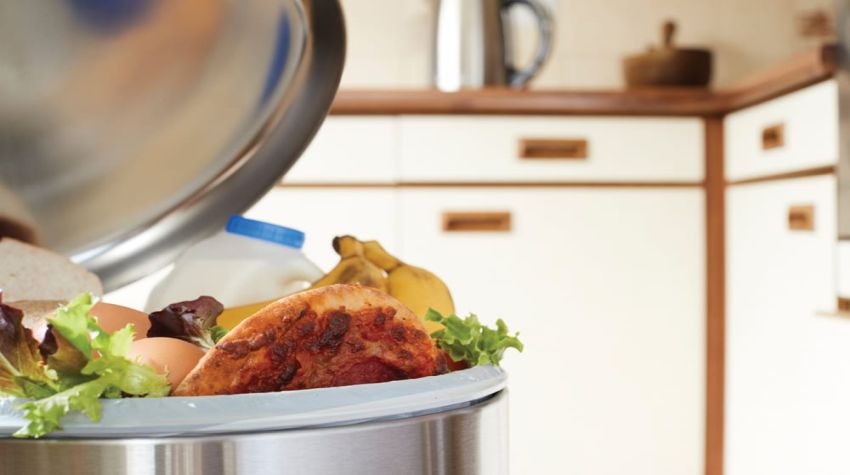
    Food waste is the forgotten food stuffed at the back of your fridge, the odds and ends that could’ve been a meal but you’re uncertain how to whip it into a recipe, lingering leftovers, and the packaged products a little past the so-called “Best Before” date. All these foodie situations could become food waste. Food waste is the food that’s ok to eat, but it’s being discarded, composted, or left to spoil without a plan to turn it into a snack or meal.

    Food waste happens thanks to a chain of different (and expensive) behaviors starting with grocery planning, food shopping, meal preparation, leftovers, odd ingredients, and ending with everything in the trash or compost bin.

    How much food do we waste?
    I didn’t believe the number at first, so I asked a behavioral scientist who studies food waste to help out. Angela Cooper, PhD, an Associate at BEworks, says the problem is “pretty big”. Over $30-billion of food is wasted per year and about half of that is occurring in people’s homes. We might think it’s the restaurants or it’s the grocery stores, but we as consumers and as homeowners — we’re the culprits.

    How much money is wasted?
    Canadian households on average waste over $1,000 per year, says Cooper. That’s $92 a month, $21 a week, or $3 a day. The really tragic part is over 60% of that food is edible. This is what we call avoidable food waste — this is stuff that can be eaten — but maybe it just doesn’t look as nice, it’s a little bit shriveled or not the freshest looking, and this is what gets tossed. [This food] still has use, but a lot of people have an aversion to it.

    How does food waste affect the environment?
    Food waste has a massive environmental toll, says Cooper. In Canada, over two million tons of CO2 is produced from food waste which is about the equivalent of two million cars on the road. There’s been research that shows if food waste were a country, it would be the third largest CO2 emitting country in the world after China and the US.

    How to prevent food waste?
    BEworks, a behavioral economics firm, did a significant research study with Unilever Hellmann’s to help prevent food waste. After studying over 900 families, they found some very simple solutions that reduced food waste by 30% — saving families at least $300 per year.

    Step 1: Place a Bowl in Your Fridge for “Food Recovery”
    We all have ingredient odds and ends that get lost or buried in our fridge. Cooper says the simple act of using a bowl to collect a rogue celery stalk, half tomato, or apple slice “increases salience”, or in simple terms — hits you in the face when you open the fridge! The idea is if you see it, you’re more likely to use it.

    Step 2: Pick a ‘Use-Up Day’
    Pick one day per week to make a ‘Use-Up’ meal. Perhaps it’s the day before your next grocery haul, maybe it’s the beginning of the week or just a random day.

    Step 3: The ‘3+1 Approach’ & a ‘Magic Touch’
    So what to do with a bowl of odd ingredients? Here’s where the science of simplicity comes to play. BEworks and Hellmann’s found that giving families a simple formula for how to make a meal with food on hand made it easy to use it up.

    They call it the ‘3+1 Approach’, where you bring together ingredients from three categories: a base (bread, rice, pasta), vegetable or fruit (pick one or a few), a protein of choice (chicken, eggs, tofu, beans), plus a ‘magic touch’ in the form of spices or sauce to bring the dish together and add flavour. This is designed to encourage people to substitute, swap out, and think a little bit more flexibly because recipes can be constricting. A wrap with chicken, lettuce, leftover bell pepper with tomato, and a dollop of hummus or mayo could be a 3+1 use-up recipe for lunch.

    So grab a bowl, choose a ‘Use-Up Day’, and try the ‘3+1 Approach’ for a meal. Making these simple switches could reduce your food waste by 30% (or more) plus save you hundreds per year in trashed groceries.
  • Meal Planning: The Money-Saving Ingredient

    Meal Planning: The Money-Saving Ingredient

    Meal Planning: The Money-Saving Ingredient

    Let’s call it a Wednesday, mid-afternoon. Lunch is a distant memory and you’re starting to feel a bit peckish. Just then, your phone buzzes. It’s your partner, roommate, or child, asking, “What’s for dinner?”

    If you’re like most people, that question is a source of low-volume stress every single day. In fact, the average person faces these five stumbling blocks:

    • No idea what to cook
    • No groceries to make whatever idea we do come up with
    • Short on skills or equipment
    • No time
    • Out of sync (not everyone in the house eats the same things or at the same time)

    There’s a fix to all of these problems, but it isn’t particularly glamorous or thrilling, and you might groan at the next two words: meal planning. Hear me out! Meal planning creates a framework to fall back on. It’s the first line of defence against all the dark arts conspiring to make you order take-out or convincing you to eat cereal standing over the kitchen sink. It puts you in the driver’s seat and makes you proactive instead of reactive. After decades of teaching home cooks, I can vouch that meal planning and shopping are the two most underrated, under-discussed (and yet most critical) elements of getting dinner on the table.

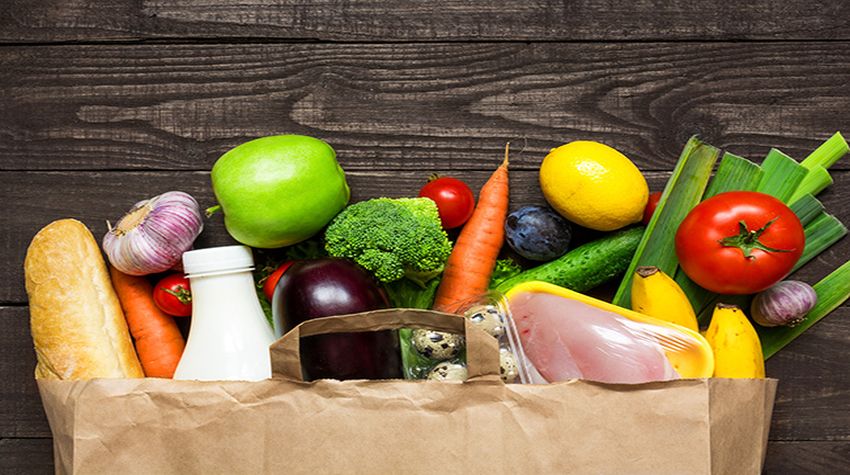
    Having a meal plan is also the best way to save money on your weekly food bill. With a plan, we make fewer impulse buys when grocery shopping and decide against picking up those aspirational ingredients we buy then never use (I’m looking at you, jar of sauerkraut at the back of my fridge), as well as those extra ingredients that end up in the compost bin. Plus, with a plan in place—and the groceries on hand—we’re much less likely to order take-out or delivery. Don’t worry if you’ve tried meal planning before and found it didn’t stick. I bristle against rules, so the classic two-week meal plan has never worked for me. Luckily, there are four other methods that still deliver all the benefits.

    The Camper method assigns a theme or protein to each day of the week, just like at summer camp (e.g. Taco Tuesdays, Chicken Wednesdays, Breakfast for Dinner Thursdays). The themes repeat every week or two, but the recipes themselves can change.

    Maybe you have time on the weekend to stock the fridge and freezer with big-batch recipes, then dish them out over the week. The Batcher system is perfect for people who have next to no cooking time during the week.

    If your day-to-day schedule changes on a dime, you might prefer to pencil in just three or four dinners and lean on quick pantry meals on other nights. This Semi system works well for me, and it’s also a perfect starter system for anyone who is reluctant to try meal planning.

    The fourth system, the Wingnut, is for those people who truly prefer to fly by the seat of their dinner chairs and simply rely on a well-stocked fridge and pantry. It’s a great system for retired chefs or young couples who don’t mind popping out to the grocery store at the last-minute, but not terribly helpful for most of the rest of us.

    Whatever framework makes sense for your life, there are two critical pieces I recommend for everyone. First, have a back-up plan—what I call a back-pocket dinner. This is a meal you can make without a recipe, using pantry staples, and in very little time. Back-pocket dinners are typically really simple dishes. My own is garlic spaghetti—a dish of pasta, oil, garlic, and Parmesan. If I had a dollar for every time, I’ve been so close to ordering delivery only to realize that garlic spaghetti is faster, cheaper, and smarter, well, I’d be rich. So bring on the grilled cheese sandwiches, the fridge-clearing omelettes, and the pita pizzas. When you can feed the family from what’s in the pantry, you’ve got a superpower.

    The second piece is to designate one night a week to eat what’s in the house. Whether that’s leftovers or something from the freezer, eating what you’ve got before buying anything new just makes sense. In our house, we call it Scraps Night and it’s usually on a Monday when we have a variety of leftovers from the weekend. This simple weekly ritual dramatically reduces food and money waste. If there’s nothing obvious to use up or eat up, just lean on that back-pocket dinner.

    While meal planning might feel tiresome or limiting at first, it will likely grow on you. I love how meal planning saves time, money, and energy, but most of all, I love having an answer to that daily “What’s for dinner?” question. It eliminates the dull stress of decision fatigue, and that’s a high-five everyone needs!