In an era where technology has become an integral part of our daily lives, it’s increasingly important to understand the risks and measures associated with identity fraud. Ontario, being Canada’s most populous province, is no exception. It is essential for its residents to be equipped with knowledge and tools to protect their identity.
Identity fraud refers to the deliberate use of another person’s identifying information, usually for financial gain, through deception. This may involve credit card fraud, online scams, or even mortgage fraud. In 2021, the Canadian Anti-Fraud Centre reported over 50,000 instances of identity theft and fraud, with victims losing more than $107 million. And those are just the reported cases. Now more than ever, your identity is under attack as people look to seek out information for those unlawful purposes and it is important to protect yourself against those trying to get your information.
How can you protect yourself?
First, it is important to know that you are protected before something happens. It is important to look at your property insurance policy, as many insurance providers have included and offer additional coverages protecting you and your family in the event of identity theft. While some companies offer this additional coverage free, others have it optional for a minor cost which can be added to any homeowner or property policy, including a tenants policy. Typically, insurance providers will offer two variations of the coverage to specified limits of $25,000 and $50,000. While in the event of using this coverage would result in a ratable claim, depending on the severity of the claim, may be beneficial to you and your family.
When you are protecting yourself, it is important to be vigilant and act cautiously. One of the most common ways of identity theft comes from the technique of phishing. This technique uses correspondence which looks official but is not. It comes in various forms from emails and text messages to phone calls and websites. These sites and communications are designed to look and sound similar to those of reputable sources, but will often times ask for personal information in which the real sites do not. In some cases, the phishing attempts will try to get the user to act swiftly and not think, anyone can be prone to these attempts.
Below are several ways you can proactively protect yourself:
1. Never provide your SIN, especially online or over the phone. Do not utilize it as a personal form of ID. Typically it will be only required during in-person scenarios. In the event someone is asking for it take precautions to ensure it is needed and it is a trusted source.
2. Be cautious online and over the phone. Often if someone or something is rushing you, there is cause to be concerned and potential that you are being targeted for phishing. In the event that you feel you are, you can always end the call, or site navigation and contact the company or organization directly to confirm if it is valid.
3. Keep your address current with all your mail in terms of bills, government agencies and any mail for that matter. Keeping your address current allows you to ensure that you are protecting yourself and that vital information from getting in the hands of the wrong people. You can take it a step further when protecting your address, when discarding mail you can cover up your address with ink, to ensure adequate protection. Shred sensitive documents and information when possible. Shredding is the safest way to protect sensitive information.
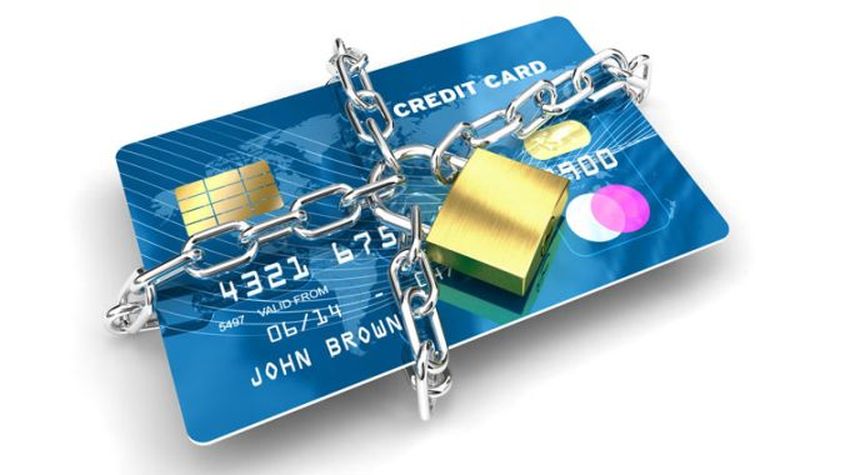
4. Check and keep regular tabs on your credit cards as well as bank accounts. Credit cards are one of the most common forms of identity theft. With how quickly it is to make purchases, they can spend hundreds to thousands of dollars minutes. It is important to monitor your cards and ensure there are not any fraudulent charges and purchases. The quicker you report lost or stolen cards the better. With the popularity of mobile banking, you should easily be able to monitor purchases as well as freeze cards in the event they are lost or stolen.
5. Take the precautions when you are online and signing up for various accounts. When it comes to passwords, it is important to not reuse passwords, while also utilizing multi-factor authentication when possible. When creating security questions, it is important to choose something which you will remember but also something that strangers would not be able to guess easily. This would include common questions like your mother’s maiden name, your pet names and other information in which you also may post online. It is also beneficial to continually update and change your passwords in-order to prevent your sensitive information being exposed and also prevents your passwords being subject to a data breach.
6. Think digital, consider using a digital wallet as opposed to a physical wallet when possible. With how connected we are and how much we utilize our phones, making this switch will be an effective use of your time but also provides additional security measures in place. There is also the added benefit of not misplacing or losing your wallet and purse. Losing your wallet or bag, along with general transactions through a fraudulent or tapped terminal are common ways for identity theft. Typically, when utilizing a digital wallet, transactions are often tokenized and encrypted, making them safer.
7. When possible, avoid using public Wi-Fi and when connected to public Wi-Fi, do not make any sensitive transactions such as mobile banking, logging into accounts or shopping. Typically, public domains are unsecure, and hackers can potentially see what it is you are doing and skim sensitive information from your session. This skimmed or stolen information can be utilized for fraudulent charges, opening false accounts and other forms of identity theft.
8. While public domains are one thing, data breaches are another. While there is benefit to internet browsers, cellphones, computers, and other password storage locations, it is important to monitor those and ensure that your information has not been subject to data breaches. A data breach is when hackers target a database or organization with a specific attack to pry information from their online database. Sometimes you will get the alert on your iPhones or tablets that your information might have been subject to a data breach, and it is recommended that you take action to protect yourself. Going hand and hand, regularly changing your password, using strong passwords, utilizing a digital wallet and avoid conducting secure transactions on public domains are some ways in which you can prevent yourself from becoming a victim of a data breach.
9. One of the other forms of data breaches and common forms of identity theft comes from malware. This comes from visiting an infected or untrusted website, downloading files with infected files embedded in the original download, or even simply opening an email attachment. Malware typically can install malicious software on your devices such as a keylogger, which monitors, tracks, and logs every stroke of the keys on your device. Being cautious on the links and websites you click as well as utilizing a password manager can help to prevent falling victim to malware.
In conclusion, practicing caution and being aware of both your actions and surroundings are some of the easiest and simplest ways to take measures into your own hands and ensure that you do not fall victim to identity theft. In the event that you fall victim to identity theft, it is important that you contact your banking institution as well as local police and the RCMP’s Phonebusters by email at info@phonebusters.com or call 1-888-495-8501.
Falling victim to identity theft happens, whether it was your fault or not, it is important to remain calm and not to be hard on yourself. Situations can be fixed over time, and it can also serve as a learning experience. As mentioned, banks, credit card companies and even your property insurance have put systems in place to help protect you from and prevent catastrophic losses.