Tag: savings

  • Retirement & Mortgages: Financing Options for Seniors

    Retirement & Mortgages: Financing Options for Seniors

    Retirement is a significant milestone in life, offering seniors the opportunity to relax, travel, and spend more time with loved ones. However, for many seniors, one financial aspect that may remain a concern during retirement is their mortgage.

    As seniors transition from their working years into retirement, they often wonder what financing options are available and what they should know about their mortgages. This article explores the various financing options for seniors and offers essential insights into managing mortgages during retirement.

    Financing Options for Seniors

    REVERSE MORTGAGES
    Reverse mortgages are a popular financing option for seniors in Ontario looking to access the equity in their homes without selling them. With a reverse mortgage, homeowners aged 55 and older can borrow against the equity they have built up in their homes over the years. The key advantage of a reverse mortgage is that it allows seniors to receive a tax-free lump sum or periodic payments, providing additional income to support their retirement lifestyle.

    Key Features of a Reverse Mortgage:

    Eligibility: To qualify for a reverse mortgage, you must be at least 55 years old and own a home as your primary residence.

    Loan Amount: The amount you can borrow through a reverse mortgage depends on factors like your age, home value, and location. Generally, you can borrow up to 55% of your home’s appraised value.

    No Monthly Payments: One of the most attractive features of a reverse mortgage is that you are not required to make monthly mortgage payments. Instead, the loan is repaid when you sell your home, move out, or pass away.

    Interest Rates: Interest rates on reverse mortgages in Ontario may be higher than traditional mortgages. It’s essential to shop around and compare rates to find the most favorable terms.

    Protection: The government of Ontario has implemented regulations to protect seniors who take out reverse mortgages, ensuring they have access to independent legal advice and a “cooling-off” period to reconsider their decision.

    HOME EQUITY LINE OF CREDIT (HELOC)
    A Home Equity Line of Credit (HELOC) is another financing option available to seniors in Ontario. HELOC’s allow homeowners to borrow against the equity in their homes while maintaining ownership. Unlike reverse mortgages, HELOC’s require the borrower to make monthly interest payments on the amount borrowed.

    Key Features of a HELOC:

    Eligibility: To qualify for a HELOC, you need to have a sufficient amount of equity in your home and meet the lender’s credit requirements. Some lenders may also have age restrictions.

    Variable Interest Rate: HELOC’s typically come with variable interest rates, meaning your monthly payments may fluctuate with changes in interest rates. This can be a consideration when budgeting for retirement.

    Flexibility: HELOC’s provide flexibility in terms of accessing funds when needed. Borrowers can choose to use their credit line partially or in full, making it a convenient option for covering unexpected expenses.

    Repayment: Unlike reverse mortgages, HELOC’s require monthly interest payments. It’s essential to budget for these payments in retirement to avoid potential financial strain.

    REFINANCING OR DOWNSIZING
    Another option for seniors to manage their mortgage in retirement is refinancing or downsizing their home. Refinancing involves renegotiating the terms of your existing mortgage to lower monthly payments or access additional funds. Downsizing, on the other hand, means selling your current home and purchasing a smaller, less expensive property, often with the aim of eliminating mortgage debt entirely or reducing it significantly.

    Key Considerations for Refinancing or Downsizing:

    Timing: Deciding when to refinance or downsize is crucial. It’s typically more straightforward to refinance while you’re still employed and have a stable income. Downsizing may be a suitable option if you want to reduce housing costs and free up equity.

    Costs: Both refinancing and downsizing involve various costs, including legal fees, real estate agent commissions, and moving expenses. Make sure to factor in these costs when making your decision.

    Mortgage Terms: When refinancing, explore different mortgage terms and interest rates to find a more favorable deal. This can help lower your monthly payments or access additional funds.

    Emotional Attachment: Consider your emotional attachment to your current home when deciding to downsize. It’s not just a financial decision but also a lifestyle choice.

    Essential Considerations for Seniors Regarding Their Mortgage

    Budgeting for Retirement
    One of the most critical aspects of managing a mortgage during retirement is budgeting. As your income may decrease after retirement, it’s essential to have a clear budget that accounts for mortgage payments, property taxes, insurance, and other housing-related expenses. This budget should also include your retirement income sources, such as pensions, Social Security benefits, and investments.

    Creating a comprehensive budget will help you determine whether you can comfortably afford your mortgage in retirement. If you find that your mortgage payments are a financial burden, it may be time to explore refinancing, downsizing, or other financing options.

    Long-Term Financial Planning
    Seniors should consider their long-term financial goals and how their mortgage fits into their retirement plan. Are you looking to pass your home onto heirs as part of your estate planning, or do you plan to sell it eventually? These considerations can impact your mortgage decisions.

    Additionally, it’s essential to account for potential healthcare costs and unexpected expenses that may arise during retirement. Having a solid financial plan that addresses these contingencies can provide peace of mind and financial security.

    Seeking Professional Advice
    Managing a mortgage during retirement can be complex, with various financial implications. Seniors should seek professional advice to make informed decisions. Consider consulting with financial advisors, mortgage brokers, or real estate professionals who specialize in serving seniors. They can help you explore the financing options available in Ontario and guide you in making choices aligned with your unique financial situation and goals.

    Understanding Tax Implications
    Seniors should be aware of the tax implications of their mortgage decisions during retirement. For instance, the interest on a traditional mortgage is tax-deductible in some cases, while the interest on a reverse mortgage is not. Understanding the tax implications of your mortgage can help you make informed choices that minimize your tax liability and maximize your financial well-being in retirement.

    Exploring Government Programs
    Seniors in Ontario may be eligible for government programs and incentives designed to support homeowners in retirement. These programs can include property tax deferral programs, home renovation grants for seniors, and energy efficiency incentives. Researching and taking advantage of these programs can provide financial relief and improve your overall quality of life in retirement.

    Managing a mortgage during retirement is a significant financial consideration for seniors. Fortunately, there are various financing options available, such as reverse mortgages, HELOC’s, refinancing, and downsizing, to help seniors navigate this challenge. However, making informed decisions requires careful planning, budgeting, and seeking professional advice. By understanding the financing options and essential considerations outlined in this article, seniors can make choices that align with their financial goals and enjoy a comfortable and secure retirement.

  • Combat Inflation with 5 Easy Steps

    Combat Inflation with 5 Easy Steps

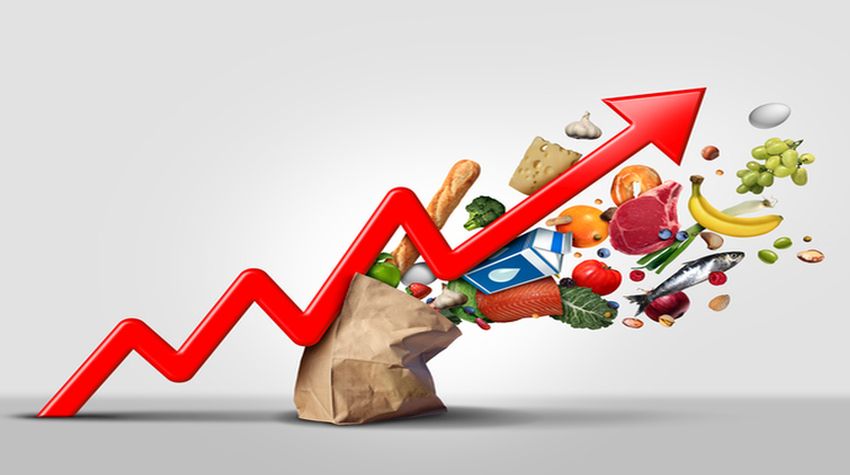
    Inflation. The new but not so pretty buzz word. You’ve likely heard it millions of times over the last several months and you’ve definitely experienced it, within your bank account. The price of everything has gone up. And it’s not just high-ticket items; it’s groceries, it’s gas, it’s everyday items that fuel your household and your lifestyle. Feeling broke lately? You’re not alone.

    Due to a number of factors, including supply chain issues following global Covid-19 pandemic lockdowns and the Russian-Ukrainian conflict, inflation is making all kinds of goods — from groceries to gas — much more expensive than they were even a few months ago. In June, inflation hit 8.1%, the highest year-over-year increase seen since the 1980’s.

    Even when it’s not at a high-point, inflation is an unavoidable reality for all Canadians. No matter the economic conditions, the price of goods eventually rises over time and your money will buy less than it once did. The amount that increase occurs (expressed as a percentage) is the rate of inflation.

    Where inflation really starts to impact the average Canadian is when the increase in the price of goods outpaces the increase in wages, compromising your purchasing power. When inflation hit that 8.1% mark in June, hourly wages rose just 5.2%.

    How to Hedge Against Inflation
    So, what can the average Canadian do about these rising costs? Fortunately, you don’t need to earn a finance degree or enlist a financial advisor to deal with inflationary woes. In fact, advisors recommend using the same sensible money-saving tactics they share during boom times, such as tracking expenses, tackling debt, and avoiding risky investments.

    1. Track Your Spending Closely
      Budgeting is the mainstay advice of personal finance advisors everywhere but keeping to a rigid plan is more difficult than ever. How do you keep to a predetermined limit when the price of everything from milk to Mercedes’ are rising every month? While you may be able to hold off on buying a Benz, the price of essentials, like groceries and gas, have increased, too.Eating is an expensive habit, and it’s not something we can cut from our budget — we’ve got to eat. When we hit up the grocery store, inflation is hitting us back.While you can’t simply buy less food, going to the grocery store armed with a list and your calculator app can help you save. By considering unit pricing, this is the cost per measurement, usually by 100 grams at grocery chains like Food Basics or Metro, you can get more of your favourite foods for less.
       
      The results of a little math are often surprising. Family deals can be more expensive than smaller purchases and sometimes that’s on purpose. Shrinkflation, where brands shrink the size of a product but keep the price the same, can bite.
       
    2. Tackle Debt as Fast as Possible
      Canadians owe a lot of money. In fact, StatsCan estimates the average consumer owes $1.73 in consumer credit and mortgage liabilities for every dollar of their income. This high debt-to-income ratio isn’t new, but the Bank of Canada’s current overnight rate of 2.5% (which is 10 times higher than it was at the end of 2021) is making interest rates on loans higher, meaning those debts are even more expensive to pay off.And, of course, inflation means there’s less spare cash to pay off your loans. If you are spending more money on food, rent and gas for your car, that leaves less money to service your debt. The first tip to surviving inflation, unsurprisingly, is to tackle consumer debt as fast as possible to avoid the snowball effect of interest rates overwhelming your finances.
       
      If you have multiple debts, you should tackle the one with the highest interest rate first. This means a payday loan repayment, which could have the equivalent of a 500% interest rate, should take priority over a credit card with a standard 19.99% rate.
       
      Once you’re free of your largest debt, turn your attention to the one with the next highest interest rate. But what happens if you can’t pay everything back? If reducing your expenses or getting a side hustle isn’t enough to destroy your debt, asking your bank for a balance transfer offer may help.
       
      The premise is straightforward: if you transfer a balance to your credit card up to its limit, you can keep it on the credit card at 0% interest for anywhere from six to 12 months. Taking advantage of something like that during this climate is amazing, this is a way to still pay down your debts, and pay them down faster, without the crazy interest rates.
       
    3. Use Cash Back Credit Cards or Bank Accounts
      Earning cash back on essential expenses like gas and groceries can be a simple way to put money back in your pocket. It’s a way to make sure that every dollar you spend is coming back to you in some way. Typical cash back credit cards will give about 1% to 2% back — not a whole lot, but certainly better than nothing. However, some cards can give up to 5% back on groceries, for instance, and others have welcome offers offering 10% back in your first few months.
       
      If you go the credit-card route, keep all of your everyday expenses on it to reap the maximum rewards possible. However, make sure to do your research and avoid overspending. Your cash back won’t really be a win if you end up paying interest charges or a hefty annual fee.
       
    4. Learn to Love Coupons
      You probably need all the help you can get with your grocery bill at the moment. Fortunately, major chains like Metro, Loblaws, and Walmart still offer flyers—perhaps you know, the ones your parents or grandparents read religiously for the latest deals—but you don’t have to grab a paper copy every week just to see where you can save the most. Coupon apps allow anyone to save on food, even food that’s close to its expiry date, but still edible. Some of these apps double as grocery lists. Unfortunately, there are downsides to coupon apps, handy as they may seem. Oftentimes, it encourages you to buy things that you wouldn’t otherwise buy, ultimately, it’s up to the individual to make sure they’re sticking to their grocery list and ideally, having some sort of a meal plan.
       
    5. Avoid Volatile Investments
      Despite 2021’s relatively brisk performance, inflation is souring in world markets. Tech giants like Shopify and cryptocurrencies like Ethereum have lost billions of dollars in valuation over the past year, while central banks are warning of impending recession. But that doesn’t mean the stock market is a complete write-off.Investors should look very carefully at companies with a lot of debt. Interest payments are rising, of course, and a company that owes money is paying it back at a much higher rate than they did a year ago. Pick companies with solid financial performance, you want to buy stocks in companies that are likely—and I use that word ‘likely’ very carefully—to perform better than other companies in a rising rate environment. A utility might be more attractive to an investor right now than a tech company or a bank if the latter is holding a lot of debt. Investors aren’t likely to see much in the way of returns if a company’s CEO is forced to spend a lot of their revenue just shoring up existing debt.
       
      If you’re looking to build a diverse investment portfolio that preserves capital, GICs are also an option. At EQ Bank for example, customers can lock in a 1-year GIC at 4.35%. Since a GIC guarantees repayment of the deposit plus interest, it can be a great way to ensure some cash down the road. Plus, the current interest rate situation is actually a boon for them right now.
       
      But one of the most important pieces of advice — can be summed up simply: stay the course. The markets don’t just move up in a straight line, you’re going to get a lot of bumps along the way. And this is just another bump.

    Following Financial Common Sense
    With a recession likely on the horizon, it is easy to panic and assume you need to find a brilliant hack to survive these inflationary times with your finances intact. But tried-and-true financial wisdom will do just fine.

    In fact, even if inflation conditions improve by the time, you read this article, you should consider adopting the suggestions above to keep you on track.

    If we implement these things as part of our lifestyle, then when we see the economy shift — when we see inflation shift — we’re already equipped, and we don’t have to try to scramble to change things.

  • Maximizing Your Tax Return

    Maximizing Your Tax Return

    If you filed your taxes and found you’re getting a refund this year, you might be wondering how to use the money. Once you’ve determined you’ll be getting a tax refund this year, you’ve got options when it comes to using your extra cash. It can be tempting to spend the sudden windfall on a shopping spree, but if you’d rather play it safe this year, we’ve put together seven sensible — but satisfying — ways to use your tax return.

    1. Pay Down Your Debt
    If you’re carrying personal debt, you’re not alone. The average household debt hit $72,950 at the end of 2019, up 2.7% from the previous year, according to a recent consumer debt study. By using your refund to pay down your debt, not only will you lower your current balance, but you’ll also reduce the amount of interest you’ll pay on your remaining balance — and that will put more money in your pocket down the road.

    2. Open or Contribute to a Tax-Free Savings Account (TFSA)
    A TFSA is a great savings tool for both short- and long-term goals. It’s a flexible savings plan that lets Canadians who are 18 years and older save and invest tax-free, with competitive interest rates. Anything you contribute to a TFSA, as well as any income earned in the account (such as investment income and capital gains), is generally tax-free, even when it’s withdrawn.

    3. Boost Your Registered Retirement Savings Plan (RRSP)
    If you’re getting money back in the form of a tax refund, a smart way to use the money is to stash it away in your RRSP. An RRSP is one of the most effective retirement saving tools available to most Canadians. And since your money is sheltered and doesn’t get taxed until you withdraw it, your funds can grow even faster.

    Another benefit is that RRSP contributions are tax-deductible, which means they lower your annual taxable income for the next year. To find out your RRSP deduction limit, look at your latest notice of assessment or check with the Canada Revenue Agency (CRA).

    4. Spend a Little, Save More
    If you’d really like to treat yourself to something new with your tax refund, there’s a way to do it without feeling guilty. A good compromise is to buy one (reasonably priced) treat and put the rest of the money into your savings. Where you save the money is up to you. You’ve got plenty of options: a regular savings account, a Tax-Free Savings Account (TFSA), or an RRSP. Putting a good chunk of your tax return in your savings is a smart move, especially during tough financial times.

    5. Save for Your Kids’ Future
    If you have kids, you can use your tax refund to boost their education funds. The cost of university is steadily rising, and the sooner you can start saving for it, the better. A four-year degree is likely to cost more than $100,000 — making a Registered Education Savings Plan (RESP) one of the best investments you can make in your child’s future.

    6. Invest in Your Home
    We’re spending more time at home than ever, so why not use your tax refund to improve where you live? You can do this in a couple of ways. If you’re thinking of buying a new home, you can use your refund to save up for your down payment (you may even be eligible for a first-time home buyers’ tax credit). Or if you already own a home and you’re content, consider investing in renovations, whether it’s a big project like giving your bathroom a total refresh, or a smaller investment like creating an office nook to make working from home more enjoyable. It may seem like an indulgence, but by upgrading your home, you’re actually adding value to it for the future.

    Getting a tax refund can feel like an unexpected gift. To make the most of the money and bring yourself peace of mind, it’s a good idea to resist the urge to spend it all, and instead take the time to think about how you can use your refund to make the biggest impact.

  • Conversations to Haver Once Your Teen Starts Earning Money

    Conversations to Haver Once Your Teen Starts Earning Money

    Once your teen starts earning a paycheck, the importance of money conversations should not be overlooked. As a parent or guardian, it’s your job to facilitate money talks and encourage your teen to ask money-related questions when they arise.

    Below, we’ll dive deeper into why money goals are important for teens as well as how to help your teen save and plan for unexpected expenses. We’ll also discuss how to ensure money conversations are a regular part of your teen’s life.

    Key Takeaways:

    • Once teens begin to earn money, it’s vital that they save for short-term goals, long-term goals, and unexpected expenses.
    • Newly employed teenagers should dip their toes into investing.
    • Ongoing money conversations can help your teen avoid common money mistakes and set them up for a healthy financial future.

    The Importance of Setting Money Goals
    Financial goals are milestones you set for your money over specified periods of time. They’re just as important for your teen as they are for you. Encouraging teens to save money and set financial goals will help them learn about the importance of financial literacy and creating healthy habits around their finances.

    Short-Term Savings Goals
    Short-term savings goals are those your teen can achieve in less than a year. Saving for a concert next month is a good example of a short-term savings goal you can help them meet. Sit down with your child and look at how much money they earn on a weekly or monthly basis. Then, ask them about the price of the concert ticket and work together to determine how much they’ll need to save from their paycheck to buy it. Write down this information and hang up the short-term savings plan you create on your fridge or anywhere else your teen will see it often.

    Long-Term Savings Goals
    Long-term savings goals typically take more than a year to accomplish. Your teen may want to buy a car, go on a spring break trip with friends, or pay for college tuition. With long-term goals, it may make sense to introduce a budgeting method, such as: 50/30/20. The 50/30/20 budget method can ensure your teen has enough money for their needs, wants, and savings goals. They allocate 50% of their income to their needs, 30% to their wants, and 20% to their long-term savings goals.

    What Does Saving Look Like?
    Many teens graduate high school and go off to college without a real understanding of saving money and how to spend responsibly. When this happens, they may make financial mistakes that could follow them out of college and into their adult years. Teaching your teen how to budget appropriately and save will help them learn to live within their means when starting their career. To promote saving early on, you can help your teen open a savings account.

    Ideally, you’d choose a savings account at a bank or credit union near your home with digital tools like online banking that your teen will appreciate. Not all savings accounts are created equally, so shop around with your teen to find a no-fee savings account that works well for how they earn, access, and save money.

    Planning for Unexpected Expenses
    Teens should know that planning for unexpected expenses is different from saving for a particular financial goal. Saving for a financial goal, like buying a television, can be completed on a short-term or long-term basis. However, saving money for unexpected expenses helps you maintain financial stability in a job loss, car accident, or medical emergency that medical insurance does not cover. To prepare your teen for unexpected expenses, teach them how to build an emergency fund. Let them know that if their car breaks down, for example, an emergency fund can cover the cost without putting them into debt.

    Put Your Money To Work: Investment Options
    Consider setting up a custodial investment account for your teen. This type of account is set up by an adult for the benefit of a minor and offers the opportunity for parents to teach kids some basic investing skills. You can explain the investment options in your teen’s account and review statements with them.

    Teens may be more inclined to invest if they can put their money toward companies they love. For example, if your child is an athlete and supports Nike products, you can talk to your teen about Nike as a company, track how their stock is doing, and even buy some shares of it together for them to learn.

    Investing Large Money Gifts
    As your teen grows up, they’ll likely receive large monetary gifts from family members for special milestones like their bar or bat mitzvah, sweet sixteen, or graduation. While they may be tempted to spend this money on fun, big-ticket purchases like new furniture or electronics, saving it can make their life easier in the future. Encourage your teen to be smart with large gifts and allocate them toward long-term financial goals, like saving for college.

    What’s the Deal With Taxes?
    Since taxes are a key part of everyone’s finances, teach your teen the basics. Let them know that taxes are deducted from their paychecks, so they’ll pocket less money than they earn. Also, explain that they’ll need to file a tax return every year and can do so with the help of tax software or a tax professional. When you talk to your teen about taxes, keep things simple. Overcomplicating the conversation and telling them more than they need to know may overwhelm them.

     Keeping the Conversation Going
    You should make time to talk to your teen about money whenever they need to. Basic financial literacy is incredibly important because financial mistakes made early in life can change the entire trajectory of one’s economic life circumstances. Teaching teens about finances can save them from making crippling mistakes that haunt them throughout their lives, like starting a working career with debilitating student loan balances.

    Keep the money conversation going organically. In short, it’s important to create opportunities for children, adolescents, and teens to use money — saving it, spending it, and even making mistakes with it. And, when possible, to invite children, adolescents, and teens to participate in household financial decision making, like drafting a grocery list given a budget.

  • 5 Good Financial Habits to Bring Into the New Year

    5 Good Financial Habits to Bring Into the New Year

    When the New Year bells ring, finances are typically at the top of the resolutions list. It can be exciting and empowering to want to achieve your financial goals once and for all. However, what most people fail to realize is that you must strengthen those financial muscles first. It’s just like setting a fitness goal: you don’t set out to run a marathon without also changing your eating habits, sleeping habits, and workout habits. It’s the shift in these small habits that gets you prepared and moving towards your goal. The same is true for finances. If you intend to pay off your debts or save for that home in the coming year, you need to ensure that you are making changes to your everyday financial habits as well.

    1. Create a Budget
    It might be hard to hear this, but creating a budget is one of the best financial habits that you can have. Managing your money starts with knowing where your money is going, and without having a proper budget it can be quite easy to lose track of your monthly spending. How many times have you asked yourself, ‘Where did my money go?’ Creating a budget provides the clarity and control you need to stay on top of your finances.

    Keeping a budget ‘in your head’ is not wise. We can hardly remember what we did last week, so how do you expect to remember all the places where your money has gone? Create a well-formed budget by pulling together at least the last 6 months of all banking transactions. Use that data as a basis for how you would like to spend your money going forward. Be sure to include your savings goals and debt repayment goals within your budget as well. A budget is meant to capture your entire financial picture and should show how all your monthly income is being allocated.

    2. Check in With Your Money
    Having a budget is one thing, but using it is another. Most people fall into the trap of only looking at their finances at the end of the month, which makes it difficult to adjust spending before it’s too late. As with any major plan or project, there are check-in points. The same is true for your finances. Setting up weekly money meetings is important to ensure you stick to your budget and achieve your financial goals. Set up a time each week to track your spending and review it against your budget. Have you ordered delivery meals one too many times this week? Did you order another thing online that was not planned? Put a plan in place for the upcoming week of the changes that need to be made to avoid running over your budget.

    Having a pulse on your finances also allows you to be financially proactive instead of reactive. By knowing how your money is allocated, you can easily adjust and adapt in the event of any unexpected circumstance. This is how you remain in financial control.

    3. Say No
    This might be one of the hardest habits to develop, but it’s the most powerful. If you have gotten into the habit of saying yes to you, your kids, and your family, it might be time to release that habit now. Achieving your financial dreams starts with being financially responsible and that means sticking to your plan, living within your means, and saying ‘No’ to anything that is outside of your plan.

    Don’t go on this journey alone. Make sure you have communicated your new financial focus to your family. Have a family meeting to discuss your financial goals and priorities, share your budget and let your family know upfront that spending will be different this year. Tell a trusted friend about your commitment and ask them to keep you accountable. And, when you find yourself tempted to give in, remember why you started on this journey to begin with.

    4. Build Your Emergency Fund
    If there is anything that is certain, it’s that life is uncertain. You never know when life might send you on an unexpected path, so you must always ensure you are financially ready and prepared. This is where having an adequate emergency fund can help you to maintain financial security. Whether it’s losing a job, the car breaks down or the furnace needs to be prepared, life always seems to happen. In these circumstances, most people use their credit cards or line of credit to make it through but having an emergency fund ensures you avoid this debt spiral.

    The goal should be to have 6 to 12 months of your income saved in an emergency fund. Calculate how much that would be for you and your family and then develop the habit of savings towards this goal each month. You can create your own financial security if you prioritize this one important financial habit.

    5. Stop Celebrating the Minimums
    Paying the minimums on your credit cards is no reason to celebrate. If you are serious about getting out of debt, you will need to create the habit of paying more than what is due. If becoming debt-free is a meaningful goal for you, then you must take it a step further and create a debt repayment plan. A goal without a plan is only a wish, and wishing your debts away is not going to cut it. Look at your budget and see how much excess cash you have after all your expenses. Reduce or eliminate any unnecessary expenses. Determine how much money you can put towards your debts each month and then create a plan to do just that. To ensure you stick to the plan, set up automatic monthly debt payments so that the money is actually paid to your debts before you can spend it.

    And while we are on the topic, also make sure you pay all your debts on time. This can greatly impact your credit score which needs to remain intact should you ever wish to leverage credit for significant purchases such as a home or a car.

    Implementing these habits will create a more stable and secure financial future for you and your family.


  • How to Prevent Food Waste in Your Home

    How to Prevent Food Waste in Your Home

    Food waste is an invisible and expensive habit in our homes. No one wants to waste food, and no one walks into a grocery store and says, “Hey, I’m going to buy all this delicious food today and then throw it out next week.”

    So if your fridge is filled with good intentions but you still manage to garbage your groceries, I’ve got the goods on how to prevent food waste and save up to $1,000 per year.

    What is food waste?
    Food waste is the forgotten food stuffed at the back of your fridge, the odds and ends that could’ve been a meal but you’re uncertain how to whip it into a recipe, lingering leftovers, and the packaged products a little past the so-called “Best Before” date. All these foodie situations could become food waste. Food waste is the food that’s ok to eat, but it’s being discarded, composted, or left to spoil without a plan to turn it into a snack or meal.

    Food waste happens thanks to a chain of different (and expensive) behaviors starting with grocery planning, food shopping, meal preparation, leftovers, odd ingredients, and ending with everything in the trash or compost bin.

    How much food do we waste?
    I didn’t believe the number at first, so I asked a behavioral scientist who studies food waste to help out. Angela Cooper, PhD, an Associate at BEworks, says the problem is “pretty big”. Over $30-billion of food is wasted per year and about half of that is occurring in people’s homes. We might think it’s the restaurants or it’s the grocery stores, but we as consumers and as homeowners — we’re the culprits.

    How much money is wasted?
    Canadian households on average waste over $1,000 per year, says Cooper. That’s $92 a month, $21 a week, or $3 a day. The really tragic part is over 60% of that food is edible. This is what we call avoidable food waste — this is stuff that can be eaten — but maybe it just doesn’t look as nice, it’s a little bit shriveled or not the freshest looking, and this is what gets tossed. [This food] still has use, but a lot of people have an aversion to it.

    How does food waste affect the environment?
    Food waste has a massive environmental toll, says Cooper. In Canada, over two million tons of CO2 is produced from food waste which is about the equivalent of two million cars on the road. There’s been research that shows if food waste were a country, it would be the third largest CO2 emitting country in the world after China and the US.

    How to prevent food waste?
    BEworks, a behavioral economics firm, did a significant research study with Unilever Hellmann’s to help prevent food waste. After studying over 900 families, they found some very simple solutions that reduced food waste by 30% — saving families at least $300 per year.

    Step 1: Place a Bowl in Your Fridge for “Food Recovery”
    We all have ingredient odds and ends that get lost or buried in our fridge. Cooper says the simple act of using a bowl to collect a rogue celery stalk, half tomato, or apple slice “increases salience”, or in simple terms — hits you in the face when you open the fridge! The idea is if you see it, you’re more likely to use it.

    Step 2: Pick a ‘Use-Up Day’
    Pick one day per week to make a ‘Use-Up’ meal. Perhaps it’s the day before your next grocery haul, maybe it’s the beginning of the week or just a random day.

    Step 3: The ‘3+1 Approach’ & a ‘Magic Touch’
    So what to do with a bowl of odd ingredients? Here’s where the science of simplicity comes to play. BEworks and Hellmann’s found that giving families a simple formula for how to make a meal with food on hand made it easy to use it up.

    They call it the ‘3+1 Approach’, where you bring together ingredients from three categories: a base (bread, rice, pasta), vegetable or fruit (pick one or a few), a protein of choice (chicken, eggs, tofu, beans), plus a ‘magic touch’ in the form of spices or sauce to bring the dish together and add flavour. This is designed to encourage people to substitute, swap out, and think a little bit more flexibly because recipes can be constricting. A wrap with chicken, lettuce, leftover bell pepper with tomato, and a dollop of hummus or mayo could be a 3+1 use-up recipe for lunch.

    So grab a bowl, choose a ‘Use-Up Day’, and try the ‘3+1 Approach’ for a meal. Making these simple switches could reduce your food waste by 30% (or more) plus save you hundreds per year in trashed groceries.

  • All Bills & No Fun Makes a Very Dull Budget

    All Bills & No Fun Makes a Very Dull Budget

    The term ‘fun money’ means different things to different people. You might think of it as money for entertainment or eating out. It could be your growing vacation fund or the cash you spend on a painting class or round of golf could fall into this category. Essentially, fun money is what you spend to enjoy yourself.

    Working just to pay bills — and budgeting only to stay on top of financial obligations — gets old fast. Instead of depriving yourself of what brings you joy, including some fun money in your budget will give you a more balanced financial life.

    The Importance of Adding Fun Money to Your Budget
    Restrictive budgets can work for a very short term but aren’t sustainable in the long run. When there is a lot of pent-up spending desire, the flood gates can burst, and rebound spending often happens. To avoid binge shopping, allocate some of your monthly earnings to spending that brings you joy. Having fun money to spend however you like will motivate you to stick to your financial plan. Who wants to stay involved with a plan that is all work and no play? Perhaps you treat yourself to the movies whenever you add another $500 to your emergency fund or celebrate with a spa visit.

    How to Budget for Fun
    While you want to make sure to pay all your monthly obligations — like rent, utilities, and your car loan — you don’t have to treat your fun money as an afterthought. Set up automatic deposits to save up for fun expenses. How much you put aside will depend on your individual financial situation. If you follow the 50/30/20 budgeting method, you’d earmark 30% of your income for discretionary spending, which includes what you spend for your enjoyment. Separating your fun money from your main checking account and other savings allows you to spend from that stash guilt free. Another smart budgeting approach is to think of your fun money in terms of what you value most and want to prioritize.

    Realistically, you will not be able to fully accomplish all your want-based goals. However, knowing what you value and prioritize over other things will allow you to shift your mindset from what you can’t do to what you can do.  Sometimes this will include making trade-offs or sacrifices. Eating soup all week and sticking to a low grocery budget frees up funds to go out with friends on the weekends if that’s a big priority. You have to consider the trade-off of now versus later.

    Fun Money Doesn’t Have to Break the Bank
    When you’re spending money for enjoyment, identifying the reason why you’re making that particular choice could lead you to discover that you can spend less to fulfill the same need. Going out with friends may be linked to a need for connecting with others or belonging. But you don’t have to run up an expensive bar tab. Maybe you and your friends take turns hosting a weekly potluck dinner. Or perhaps you join a book club or running group.

    After identifying what you value, investigate cheaper ways to pursue it. If you enjoy switching up your wardrobe, participate in a clothing swap or visit thrift stores. If you love traveling, consider a road trip instead of flying.


  • Where Does Your Paycheque Go?

    Where Does Your Paycheque Go?

    10 Budgeting Tips to Help You Stay on Track

    A monthly budget is like Google Maps for your finances: you follow it because you don’t know where you’re going without it. If you’re new to budgeting, don’t be discouraged by a few — or many — wrong turns and closed roads along the way. The longer you stick with it, the better you get. With a few simple budgeting tips, you can be well on your way before you know it.

    1. Set Your Goals Before You Make Your Budget
    Without a goal, a budget is just a spreadsheet that tells you to have less fun. Think about what you want in the next 5 to 10 years and figure out what financial situation you need to get there. Whatever your goals are, know that any sound financial foundation starts with an emergency fund. You might then want to pay off debt, save for a down payment on a home, or increase your savings.

    Decide where you want to be financially next year and the year after. Knowing what you want to do with your money will guide you as you figure out how to budget, and it will greatly increase the likelihood that you’ll stick to it.

    2. There’s No One Size-Fits-All Budget — Find a Plan That Works for You
    There are so many budgeting methods out there, and every guru says theirs is the best. But ultimately you have to choose the one that works for you.

    If you’ve got an ambitious goal, we recommend trying a zero-based budget first. To make a zero-based budget, start by prioritizing your expenses from essential to nonessential. Then, assign every dollar in your paycheck a “job” on the list until you run out. The most important things — housing, food, minimum debt payments — get taken care of first, and you can disburse the remaining money for your goals and fun in their order of importance to you. Zero-based budgeting is great for ‘Type A’ planners.

    If you prefer to be a little more loosey-goosey, a 50/20/30 budget is a great option. With this approach, you don’t have to think too much about your expenses. You just allocate 50% of your income to your needs, 20% to savings and 30% to wants.

    3. Use a Budget App or Envelope System to Track Your Spending
    It’s hard to lug around your laptop or binder to keep up with each budget category, so a budgeting app is a great tool for updating your budget on the go. There are many out there, whether you like to enter each transaction manually or see everything updated automatically.

    If your goal is to take an intense look at your spending, manually tracking your transactions is going to work best. Once you’ve been budgeting for a while and you’ve got a grasp on your spending, syncing transactions automatically works fine. If you still can’t stick to your budget, the envelope system can help you succeed without so much emphasis on constant tracking.

    After you decide how much money goes toward each of your expenses, put the money you’ll spend for each expense in a given week into separate envelopes and carry them with you. Once an envelope is empty, you’re done spending in that category. You can keep receipts in the envelope and examine your purchases later.

    Envelopes are best for categories you’re prone to overspending on. You probably don’t need envelopes for things like gas and utilities because you’re not likely to go on a gas-buying spree. Popular categories for envelopes are restaurants, groceries, clothes, and entertainment.

    4. Use the Past to Predict Your Future Income & Expenses
    Whether you choose a zero-based budget, 50/20/30 budget, or some other method, you’re going to have to calculate your income and the amount of money you want to put toward every category or individual expense.

    Salaried employees will get off easy when they calculate their incomes. If you have a variable income or side hustles, you’ll need to do some digging. Look back at your income from the past six months, or as far back as you can if you’ve been at your current job for less time. Then find your average monthly income and the average amount of each paycheck.

    Expenses like utilities can also be unpredictable. Check your online statements to see which months were higher versus which were lower so you can make future budgets. You may not be able to take that impromptu weekend getaway the month your electric bill will be $300, but it might be totally feasible during a month it’s going to be $75.

    5. Don’t Confuse Infrequent Expenses with Emergencies
    These aren’t the unexpected expenses that you’d cover with your miscellaneous or emergency categories. Infrequent expenses are the charges that come up once or twice a year — but we always seem to forget will happen. Like when it’s December 23 and you’re still not done with your holiday shopping. Who could’ve predicted Christmas would be on December 25 again?!

    Keep a chart that includes your semi-annual and annual expenses to determine what you need to save every month to cover them. Open a separate checking account or savings account where you put money every month to cover these expenses.

    6. Remember the Obvious: You Need to Spend Less
    Count this among the budgeting tips no one wants to hear. Once the planning is done, it’s time for the hardest part: sticking to your plan. If you’re in the habit of spending more than you make, your first priority is to find ways to save money. We don’t mean you need to find better sales and clip more coupons. The most important thing you can do is buy and spend less.

    Some of good tips to cut spending are:

    • Make a meal plan and stick to your grocery list
    • Prep meals on Sundays so you’re less likely to eat out during the week
    • Treat yourself to a coffee once a week instead of daily or cut them out completely
    • Opt for free events in your area instead of pricy activities or bars
    • Try running and body-weight workouts instead of paying for a gym membership

    There are countless ways to save money. Do everything you can to resist the temptation to make impulse purchases or spend beyond your budget. An easy way to do this: Leave your credit card at home and use cash envelopes or a debit card.

    7. Use the 30-Day Rule to Stop Impulse Shopping
    If you still need to curb impulse shopping, follow the 30-day rule: When you want to buy something that’s not in your budget, make note of the item in question for next month’s budget and revisit it in 30 days. If you still want it, you can consider buying it if you can afford it.

    8. Negotiate Your Bills to Save Money
    People often take for granted that what they’re paying for their phone, internet and insurance is what they have to pay. By contacting your providers to negotiate your bills, you could lower your bills once or twice every year.

    9. Remember That Things Will Go Wrong
    Student loans and credit cards aren’t paid off overnight. And the perfect budget isn’t made in a day. Things will change and go wrong. Impulse purchases will be made, and budgets will get obliterated by life’s little surprises. The most important tip for budgeting is to not give up. When things go wrong, alter your budget to compensate. Move money from one category to another, put less in savings, or try a side hustle to add some wiggle room. And know that sometimes you’ll find yourself ripping up the entire budget and starting again from scratch in the middle of the month. Eventually, you’ll get this whole budgeting thing down. But it’s going to start with some bumps in the road.

    10. Have an Income-Sinking Fund for When Your Income is Lower
    Living off tips, sales commissions or freelance work can make for a flexible lifestyle, but it also makes it hard to budget. When you have an inconsistent income, you can follow all the budgeting tips above, but having this additional category may help.

    When you calculate your income and get your monthly average, compare it with your income each month throughout the year. In months you expect to make more than average, take the difference, and transfer it to your income-sinking fund. It’s a separate account where you put money you plan to take out in the near future for a specific purpose, such as supplementing your income on low-earning months. During months when you expect to make less, you can withdraw up to your monthly average to help with expenses.

    The key to any good budget is consistency!

  • The Smart Way to Use Your Tax Refund

    The Smart Way to Use Your Tax Refund

    There’s at least one nice thing about doing your taxes: the possibility of getting a refund. According to figures from Revenue Canada, just over half of the nearly 25 million tax returns filed in 2019 received a refund, at an average amount of $1,670.

    If you did receive a refund, you need to decide what to do with it. The temptation to spend your refund immediately can be strong. Who doesn’t want a vacation, a new car, or that kitchen renovation you’ve been hoping to start? However, it’s important to consider all your options, such as paying down debt or saving for the future.

    Whether you’re beginning your career, starting a family, or saving for a down payment on a home, below are some suggestions about smart ways you can put your tax refund to use.

    Pay Down Your Debt
    According to a survey conducted by Global News at the end of 2019, the demographic with the most debt appears to be Generation X (loosely defined as people aged 35-54), who report an average debt of over $10,000, not including their mortgage. This includes credit card debt, which can carry interest rates nearing 20%. Monthly payments at such high rates can quickly eat a big hole into your budget.

    The Financial Consumer Agency of Canada (FCAC) offers advice on how to manage your debt. It recommends paying off higher-interest debt first, such as payday loans and credit cards. This will help lower your interest costs and free up more money to reduce your overall debt.

    The debate about whether you should invest your money or use it to pay down debt is strong and ongoing. This choice depends heavily on prevailing interest rates, the amount you owe, and your financial situation. Online calculators can be a great resource to help you decide whether paying down your debt is the right choice for you.

    Save for Retirement
    The internet is full of statistics about Canadians not saving enough for retirement. Government programs such as the Canada Pension Plan and Old Age Security will provide a basic income for many Canadians in retirement, but you need to consider your own retirement wants and needs in deciding how much more savings you need. The good news is that the earlier you start saving, the more your money could grow with the benefit of smart investment choices.

    A Registered Retirement Savings Plan (RRSP) is the most well-known retirement savings option in Canada. It allows you to contribute money each year, while avoiding taxes on those contributions until you withdraw it later in life (hopefully at a lower tax rate). In fact, RRSP contributions can help increase the amount of money you receive as a tax refund.

    Tax Free Savings Accounts (TFSA’s) are another great option for long-term savings, as any capital gains you accumulate inside a TFSA are not taxable. Luckily, there is no shortage of options when it comes to saving your money for retirement. Canada Life offers a range of saving and investing solutions, including mutual funds and more comprehensive retirement plans.

    Start an Emergency Fund
    There are several reasons to save beyond the long-term goal of retirement. The FCAC recommends Canadians set up an emergency fund to cover unexpected expenses, such as the loss of employment or a medical emergency. An emergency fund can be set up slowly, with small weekly contributions to a dedicated savings account. You can also use part of your tax refund to set up a base from which to build over time.

    This process can also be applied to other savings goals, such as a wedding or a down payment on a new home. You can set aside a portion of your tax refund, and then make smaller contributions on a regular basis to meet your goal.

    Save for a Child’s Education
    If you are expecting a child, or are the parents of a recent newborn, you’ve probably thought at least in passing about the costs associated with their education. The average cost for a year of undergraduate tuition in Canada hit $6,571 in 2019, reports Statistics Canada. And tuition levels are widely expected to continue rising. Luckily, there are government programs to help you save money for your children, the most well-known is the Registered Education Savings Plan (RESP).

    You can open an RESP as soon as your baby is born. The earlier you start saving, the more you can potentially grow your money by the time he or she is ready for post-secondary studies. The federal government will contribute up to $500 per year to any deposits you make into an RESP (based on a formula of matching your own contributions to the account at a rate of 20% annually). So if you’re putting in less than $2,500 each year (about $200 per month) to your child’s RESP you’re missing out on those government amounts.

  • How to Prepare for the Upcoming Tax Season

    How to Prepare for the Upcoming Tax Season

    Many Canadians’ year-end tax prep may be a little different as 2020 draws to a close. Taking a close look at your personal balance sheet before December 31 is a routine exercise that can help you make the most of your savings, reduce your tax bill and boost your tax refund in the new year. But a slew of pandemic-linked emergency benefits and relief measures this year means there may be some additional financial housekeeping you need to do this time. Here are some tips to make sure you start off the 2021 tax season on the right foot:

    Paying Taxes on Your Emergency Benefits
    The first round of emergency benefits Ottawa rolled out during the pandemic did not have any tax withheld at source. If you received either the Canada Emergency Response Benefit (CERB) or the Canada Emergency Student Benefit (CESB), you’ll have to include 100% of those payments in your 2020 tax return. The government will send you a T4A tax reporting slip for 2020 showing the total amount you report.

    How much tax you’ll actually end up paying depends on your overall income for 2020. For example, if you made $27,000 from work in 2020 and received $8,000 worth of CERB, your taxable income for the year would be $35,000. Both the income you received from CERB and your job would be taxed in the same way.

    You May or May Not Have to Pay Taxes
    “If you’re under $12,000 in total income for the year, you don’t have to worry about any income taxes next year,” says Frank Fazzari, a chartered professional accountant at Fazzari & Partners. With the second round of COVID-19 benefits that became available in September—the Canada Recovery Benefit (CRB), Canada Recovery Sickness Benefit (CRSB), and Canada Recovery Caregiving Benefit (CRCB)—the government is withholding 10% in taxes at source.

    This, however, may be insufficient to cover your tax liability, Jamie Golombek, managing director of Tax and Estate Planning with CIBC Private Wealth Management. In addition, when it comes to the CRB, you may have to pay money back if your additional income for 2020 is more than $38,000. The claw back rate is $0.50 for each dollar of CRB received for net income over this amount. If you’ve received either round of benefits you may want to set aside some funds to cover any taxes or payments, you may owe come tax season next April.

    Repaying Emergency Benefits You Don’t Qualify For
    If you have to repay any COVID-19 benefits you didn’t qualify for, it would be best to return the funds by the end of the year. There is no obligation to return the payments by the end of the year. But repaying after December 31 means the amounts will show up on your T4A for 2020 and you may have to pay taxes on them. If you end up paying taxes on money you return, the CRA will eventually make you whole but you may have to wait until you file your 2021 tax return in the spring of 2022 until that happens. The process is based on general tax rules in the Income Tax Act that apply to repayments of taxable income.

    The Simplified Home Office Deduction
    If you’re one of the 2.4 million Canadians who’ve been working from your couch, the kitchen table or the kids’ bedroom this year because of COVID-19, you’ll likely be able to claim some home-office costs on your 2020 tax return without having to sift through receipts or ask your employers to fill out forms.

    If you’re an employee who’s been toiling at home more than 50% of the time over at least four consecutive weeks in 2020 due to COVID-19, you’ll be able to claim a deduction of $2 for every work-from-home day up to a maximum of $400. This is what the CRA is calling a temporary flat-rate method of calculating the home office deduction. If you’re an employee with significant home office expenses, you can use the current “detailed method” of calculating the home office tax break, the CRA has said.

    TFSA Withdrawals
    There are no COVID-19 rule changes affecting tax-free savings accounts, but many Canadians have ramped up their contributions this year, according to a recent study from BMO. While a smaller percentage of Canadians was able to put as much money as they had planned into a TFSA this year, those who did were able to save up a little extra, the data suggests. Overall contributions were up 9.5% year over year.

    If you’re planning to draw down on some of your TFSA savings soon, you may want to do so before the end of the year. Whenever you take money out of a TFSA, an equivalent amount of TFSA contribution room frees up in your account—but that doesn’t happen until the following calendar year.

    RRIF Withdrawals
    If you turned 71 in 2020, you have until December 31 to convert your registered retirement savings plan (RRSP) into a registered retirement income fund (RRIF) or registered annuity—that’s standard. If you already have an RRIF, though, remember Ottawa reduced the required minimum withdrawal for 2020 by 25%.

    One-time COVID-19 Payment for Persons with Disabilities
    Ottawa has also established a one-time, non-taxable payment of up to $600 for persons living with disabilities to help soften the impact of extra expenses caused by the pandemic. Being eligible and applying for the disability tax credit is one of the qualifying criteria to receive the payment. If you haven’t applied for the DTC yet, you’re still in time. Ottawa moved the application deadline from September 25 to December 31.

    Charitable Donations
    Charitable donations are especially important in a year that has seen jobless numbers skyrocket, domestic violence spikes, and marginalized communities struggle disproportionately with the impact of COVID-19. Both the federal and provincial governments offer donation tax credits that, when combined, can result in tax savings of around 50% of the value of your gift in 2020, depending on where you live. From the federal government alone, Canadians get a tax credit of 15% credit on the first $200 of charitable donations and 29% on anything beyond that amount.