Author: unimorweb

  • How to Get Around Canada’s New Mortgage Rules

    How to Get Around Canada’s New Mortgage Rules

    The tighter lending rules that came into force July 1st are making it harder for some Canadians to buy homes, but mortgage professionals say there’s no reason to panic. The Canada Mortgage and Housing Corporation (CMHC) announced plans in early June to reduce borrowing limits, demand higher credit scores and restrict down payments for anyone who needs default insurance from the agency. That kind of insurance is mandatory for ‘high-ratio’ buyers putting less than 20% down on a home. While the change is scary, buyers still have ways to shape up in the eyes of the CMHC — or dodge the agency entirely.

    Evan Siddall, President & CEO of CMHC, explains the changes are meant to steady the economy in the age of COVID-19 by controlling debt and protecting lenders from people who pose a high risk of defaulting. While the rules will sting for some people trying to crack their way into the real estate market, they could be a boon for others. By reducing the number of buyers, the crown corporation hopes to quell demand and balance out home prices.

    “COVID-19 has exposed long-standing vulnerabilities in our financial markets, and we must act now to protect the economic futures of Canadians,” Siddall explained in a statement. These actions will protect homebuyers, reduce government and taxpayer risk, and support the stability of housing markets while curtailing excessive demand and unsustainable house price growth.

    What are the new rules?
    First, homebuyers seeking a high-ratio mortgage are no longer able to submit a down payment with money borrowed from credit cards, unsecured personal loans, or lines of credit. Only ‘traditional sources’ of cash, such as savings, equity from the sale of a house or financial support from relatives, will fly.

    Second, the minimum credit score to qualify has jumped from 600 to 680. If you don’t know your credit score, you can check it for free online. If it’s too low, you’ll have to take steps to improve it.

    Third, borrowers are now capped at spending 35% (GDS) of their gross income on housing. That includes the mortgage itself, property taxes and utilities. They’re also only able to spend up to 42% (TDS) of their gross income, taking into account all of their other loans and credit.

    Before, buyers could spend up to 39% of their gross income and borrow up to 44%. That means potential buyers saw their purchasing power cut by up to 12%. For example, someone with a $100,000 income buying a single-family home could have qualified for a $490,000 mortgage with 5% down before July 1st. Now, their limit has dropped to $435,000.

    What should homebuyers do?
    It’s important to recognize that, if you’re not a risky borrower in the eyes of the CMHC, these changes may not affect you at all.
    “They are impacting a subset of borrowers who need mortgage insurance,” says Toronto-based broker Sean Cooper, author of the book Burn Your Mortgage. Even those homebuyers, he says, “still have options.”

    You see, the government doesn’t care whether it insures your mortgage. It just needs to know your mortgage is insured. Homebuyers excluded by these changes should look around for a lender that also works with Genworth or Canada Guaranty, the country’s two private-sector providers of mortgage default insurance. Those companies have decided not to tighten their restrictions.

    “They are usually lockstep with the CMHC, so this is definitely out of the ordinary,” says Cooper. So even if the CMHC thinks you’re a bad bet, you’ll still find a range of lenders that want your business.

    Is anyone else affected?
    The other good news is that the new lending rules don’t impact homeowners who want to take advantage of today’s historically low rates.

    “As of right now, the rules haven’t changed for refinancing,” says Cooper. “The fact that Genworth and Canada Guaranty didn’t match the CMHC’s changes makes me think that there’s less likelihood of more changes in the future.”

    Today’s rock-bottom rates are predicted to last for at least 12 to 18 months, until the economy starts to stabilize from COVID-19 crisis. That means there’s no better time to see how much you can save on interest and your monthly mortgage payments. The opportunity to hold on to more cash is especially welcome while the country’s financial outlook remains uncertain.

  • Is Your Credit Score Good Enough to Buy a Home?

    Is Your Credit Score Good Enough to Buy a Home?

    Three little digits can make a big difference when you’re trying to get a mortgage you can afford.  Whether you can land a mortgage with a low interest rate or even get any home loan at all often comes down to three little digits: your credit score.  Does your credit score need some help? And could it keep you from buying a home? Let’s find out.

    How do credit scores work?

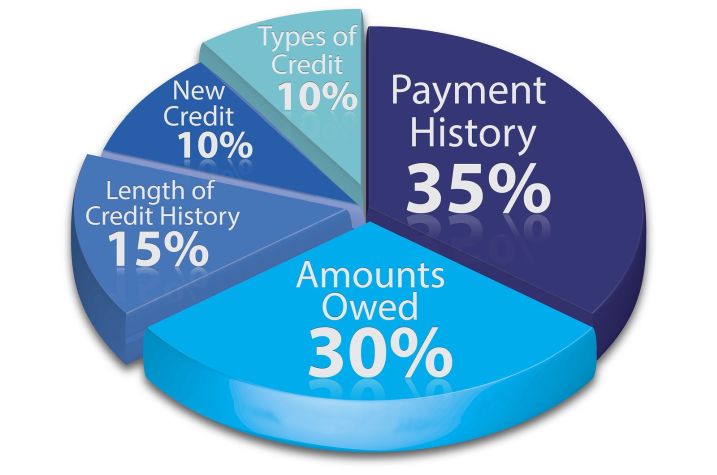
    Canada has two main credit bureaus — Equifax and TransUnion — that collect and share data about how you’ve used credit in the country.  These private companies draw up credit reports that summarize your activity and use it to assign you a credit score.  Lenders like banks rely on your credit score to tell if you’re a good investment.

    Credit bureaus assess a lot of information in their reports, such as:

    • How long you’ve had a credit card
    • Whether you miss payments
    • Whether you stay close to your credit limit
    • The number of times you apply for credit
    • The size of any outstanding debts

    Credit scores range from 300 to 900 and they play a big part in being approved for a mortgage.  A higher score means you’re managing your credit well and making payments on time.  A lender will be more likely to let you borrow their money.  A low score suggests you’re a risk, so you could be refused outright.

    When your credit score is decent but not spectacular, a lender will compensate for that risk by saddling you with a higher mortgage rate.  A higher interest rate means a higher monthly payment and steeper total interest charges over the life of the loan.

    How do I know if my score is too low?

    Plenty of third-party services and a few banks will give you a free look at your credit score online.  Other companies will ask you to sign up for a paid service that may have other benefits, like credit monitoring and support.  According to Equifax, most lenders smile when they see a score of 660 or higher.  Anything above 760 is excellent. Anyone with a score below 560 will struggle to get a decent interest rate and may not get a loan at all.

    Each lender has different standards, and those standards can change depending on what’s happening in the mortgage market.  Some private lenders won’t be as demanding as major banks but may offer far worse deals to compensate. These “subprime” lenders work almost exclusively with people who have low credit scores.

    If your credit score needs work, you’ll want to carefully consider whether the cost of a higher interest rate is worth it. You may decide it’s better to delay your home purchase to give yourself time to improve your score.

    How do I raise my score?

    The easiest way to bring up your credit score quickly and snag that mortgage is to obtain copies of your credit reports from the major credit bureaus and make sure everything on them is accurate.  Canadians are entitled to a free look at their credit report at least once per year from both Equifax and TransUnion.  If you find any mistakes, dispute the errors so they can be removed.

    Paying bills on time, even if it’s just the minimum payment, is one of the most important factors.  Contact your lender right away if you fear you might miss a payment, and don’t skip a payment even if it’s in dispute.

    Try not to use too much of your available credit.  The federal government suggests using a third or less of what you could be using, even if you always pay off the balance.  Paying down your credit cards to cut your credit utilization can give your credit score a nice boost.

    Another option is to enroll the help of a free credit monitoring service. You’ll get instant access to your score and be able to check your credit history regularly.  You have a few other options — like using different types of credit rather than just credit cards, keeping old accounts active and trying to limit the number of credit checks — but these basic steps will put you well on your way to home ownership.

  • COVID-19: Should You Buy a Home Now, or Wait?

    COVID-19: Should You Buy a Home Now, or Wait?

    Housing markets across the country are changing swiftly—but with interest rates at historic lows, this might be a good time to buy.  Here are all the factors to consider.

    It almost goes without saying that COVID-19 has had a far-reaching impact on the Canadian economy and healthcare system in the first half of 2020. As expected, the spring housing market was much cooler than 2019, with the Canadian Real Estate Association (CREA) confirming that May 2020 recorded the lowest volume of sales in May since 1996.  Despite the significant drop in sales volume due to the pandemic, though, national home prices remained relatively stable.

    After a quiet April, market activity began to pick up in local housing markets across the country in May: more buyers resumed their home searches, and more sellers began to list their homes. With more home buyers and sellers hopping off the sidelines, housing competition is starting to heat up in many regions.  In Toronto and Vancouver—Canada’s largest markets—demand and supply were evenly matched in May, whereas in Southern Ontario markets like Ottawa and Hamilton-Burlington, buyers faced ever fiercer competition for available homes than last year.

    Given how swiftly conditions have changed and continue to evolve in housing markets across the country, prospective home buyers may be wondering: Is now a good time to jump into the market?  Perhaps.  With interest rates at historic lows, if you are able to buy and hold a home for the medium to long term, this might be a good time to buy.  Here are all the factors you should consider as you make your decision.

    Account for your finances and your lifestyle needs.

    For many Canadians, finances are just one part of the story, and the decision to buy a home often goes beyond the dollars and cents.  To put it simply, people need to make changes in their lives and move—regardless of whether there is a pandemic or not.  If you have done the math and are confident about your financial ability to carry a new home, this is a great opportunity to take advantage of low interest rates.

    Consider why you want to buy in the first place.

    Perhaps you’ve had a relationship or family change; a divorce or a baby on the way are common reasons people choose to move.  Alternatively, do you want to be closer to family, in a good school district, or have better transit access?  If you started planning a move before the pandemic, consider whether and how COVID-19 has altered these priorities.

    Once you’ve determined why you need to move, consider how your lifestyle needs may evolve.  After all, you will be living in the home you purchase for at least a few years, so you need to think about whether the home you buy is a fit for your needs both today and tomorrow.  If you can find what you want, in the location you desire, and are comfortable living there for at least five years, take the leap.

    Get local with market data.

    When you’ve made the decision to move forward with a home search, you’ll likely turn your attention to how the housing market is performing.  After all, buying a home is a major personal commitment, and also one of the biggest financial investments most people will make.  With everything going on, in addition to sales updates from national and local real estate boards, a number of Canada’s most established financial institutions, economists and housing corporations have attempted to predict the size and duration of the impact of COVID-19 on the housing sector.

    While high-level data from real estate boards and financial institutions can provide valuable perspective on how the housing market is performing at the macro-level, real estate is hyper-regional, and in many respects, local.  The type of property, the neighbourhood you’re interested in, and your budget will all play a role in the level of competition you’re likely to face and ultimately the price you can expect to pay.

    Working with a real estate agent you trust is one way to cut through the noise and understand how far your dollar will go in real estate based on your situation and your needs.  A good real estate agent acts as a trusted expert who can provide you with the facts, data and insights that are most relevant to your purchase decision, so you can make an informed choice that you are comfortable with now and in the future.

    Remember that real estate is a long-term decision.

    Finally, remember that real estate is a long-term investment.  If you are looking to make short term, speculative investments, this is a particularly risky time to do that in real estate.  Further, churning real estate has real costs that eat into any sale price, which include but aren’t limited to land transfer taxes, realtor professional fees and moving costs.

    Once you’ve carefully weighed your personal needs against your financial appetite and obligations and have also considered the context of the real estate market in your area, take the plunge if you’re confident that everything lines up.  If you can buy and hold for the long term, there are some great pockets of opportunity out there.


  • Canada’s Climbing Debt-to-Income Ratio: What You Need to Know

    Canada’s Climbing Debt-to-Income Ratio: What You Need to Know

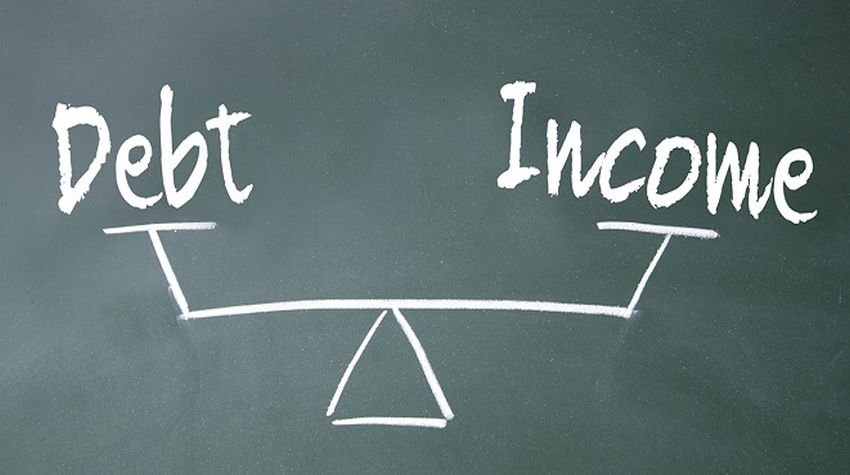
    Here we break down what the debt-to-income ratio means—for the nation’s financial health, and for yours. The latest headlines tell a now-familiar story: Canadian household’s debt loads have increased once again, with the debt-to-income ratio hitting 176.9% in June 2020. But what is this ratio, why is it rising, and—most importantly—do you need to worry about it?

    What is the debt-to-income ratio?

    First things first. The debt-to-income ratio is a measure of how much debt a household is carrying, relative to its disposable income—that is, the money you have available to spend or save, after taxes and other non-discretionary expenses, such as EI and CPP contributions, are made.

    A ratio of 176.9% means that, across all Canadian households, we collectively owe almost $1.77 for every dollar of disposable income we have. That’s very close to the all-time high of 178% in late 2017.

    How did we get here?

    There are two overarching reasons why we’ve ended up with our current level of collective debt.

    Debt is cheap.
    The basic laws of economics tell us that when prices fall, demand increases.  Here’s why that’s important for the debt-to-income ratio: what really matters is not the total amount borrowed, but the cost to service that debt over time—that’s the debt-service ratio.  The lower the interest rate, the cheaper it is to borrow money and service that debt, and thus the more debt a household can afford to carry.

    Over time, the debt-service ratio has remained pretty constant even as the household debt-to-income ratio has risen.  In 1980, for example, the ratio of household debt to personal disposable income was just 66%, or $0.66 owed for every dollar of disposable income.  Back then, however, the bank rate—the minimum rate of interest that the Bank of Canada charges on one-day loans to financial institutions, now superseded by the target interest rate—was 12.89%, compared to just 0.25% today.

    In practical terms, $100 borrowed for a year at 1980 rates would cost nearly 20 times as much as it would to borrow today.  This astonishing drop in interest rates accounts for why the debt-service ratio has remained relatively steady over time, fluctuating between about 12% and 15% from 1990 to the first quarter of 2020, and falling from 14.81% in the last quarter of 2019 to 14.67% in the first quarter of 2020.

    Our relationship to debt has changed.
    Over time, we’ve become more and more accepting of borrowing as a normal part of household finances. When the ability to borrow became available as a tool to “bring forward” our household spending, lots of us decided to do so. And as the cost of borrowing progressively dropped, we ramped up our debt.

    This behaviour is consistent with what financial economists call consumption smoothing, or the idea that we can maximize happiness by spreading our resources over our lifetimes to achieve the highest possible total standard of living. From this point of view, in the words of former Bank of Canada Governor Steven Poloz, “Simply put, debt is a tool that allows people to smooth out their spending throughout their life.”

    Does the debt-to-income ratio matter?

    The general consensus is that excessive levels of debt make households financially vulnerable.  Economic shocks are sudden and unpredictable changes in the variables that affect the overall economy, such as an unforeseen rise or fall in the cost of commodities, an unexpected shift in consumer spending, or a housing or stock market crash.

    At the individual level, however, you’re likely more concerned that too much household debt might mean you can’t make your mortgage, student loan or car payments if something unexpected happens—such as normal fluctuations in interest rates, or the loss of your job.  (These are personal financial shocks, compared to the economy-wide macroeconomic shocks of falling commodity or housing prices.)  Research into Canadians’ debt shows that younger people, those with household income of at least $100,000, and those with mortgages have more debt than older Canadians, non-homeowners, and those with lower incomes.

    The use of debt is also correlated with optimism about our financial futures.  People who expect their financial situation to improve over time are much more likely to have more debt: a Statistics Canada study shows that peoples’ expectations about their financial situation are strongly correlated with both their levels of indebtedness and their debt-to-income ratio.  Even the most optimistic households, however, are still subject to borrowing rules set by lenders, such as the new mortgage insurance rules for the Canadian Mortgage and Housing Corporation, which will go into effect on July 1, 2020.

    What do I need to know about the debt-to-income ratio to plan my financial life?

    Here are two ways to think about whether the debt-to-income headlines affect you.

    The average might not apply to you.
    The debt-to-income figure represents an average for all Canadian households, including those who have little or no debt—meaning it must also include some very highly indebted Canadians.  In fact, research from the Bank of Canada shows that the number of highly indebted Canadians —those with a debt-to-income greater than 350%—doubled from 2005 to 2014, from about 4% to 8% of all households.  So a rising average amount of debt may not capture individual household changes, including yours.

    Your individual circumstances matter.
    The more debt you have, the more vulnerable you are to “shocks” that can impact your ability to repay it.  At the same time, however, your age, income, appetite for debt and expectations about your financial future will all combine to impact your approach to borrowing.

    If you want to maximize your financial peace of mind and protect yourself from the risk of being unable to meet your debt obligations over time, you could minimize borrowing while prioritizing paying back any existing debt.  A personal debt management plan, which maps out how you’re going to repay what you owe over time, will allow you to see past headlines to understand debt as one tool in your financial toolbox.


  • Start an Emergency Fund

    Start an Emergency Fund

    We never know what the future holds for us, so it’s always best to be prepared.  Having an emergency fund is extremely important so you’re always prepared to deal with what life brings—good or bad.  It’s a good idea to make an emergency fund one of your highest savings priorities.  Put $20 a week in an emergency fund and your account will grow to over $1,000 in just one year.  That’s often enough to cover a repair bill or emergency travel.  An emergency fund can also shield you from the high cost of borrowing and keep you from sinking into debt.  Follow these five tips to help you set goals and take steps toward starting an emergency fund:

    Chart your monthly income & expenses. Grab a piece of paper and write down how much money your earn and how much you spend for each month. Be sure to include recurring expenses such as your rent or mortgage, utility bills, childcare, and estimates of other out-of-pocket expenses for things you might buy such as movie tickets, dinner out and clothing.

    Set your emergency savings goal. An emergency fund should cover three to six months’ worth of realistic living expenses. If you feel your income is stable or have access to home equity or other forms of credit to use if needed, then you may be able to plan for the lower figure.  If your credit is near its limit and your income outlook is less secure, you might want to save more.

    Develop a plan to start saving. Setting a goal and developing a plan to achieve those goals go hand-in-hand. Part of your plan may include specific and measurable targets to work toward.  For example, one specific goal may be to save an extra $300 over the next six months to put into an emergency fund.

    Put your emergency fund in an accessible place. The best place for your emergency fund is in a liquid account (accounts where your cash is easily accessible). A liquid account might be a regular savings account at a bank or credit union that provides some return on your deposit and from which your funds can be withdrawn at any time without penalty.  If you consider other options, like a certificate of deposit, money market fund or mutual fund, be sure to figure out how accessible your money will be in an emergency.

    Stick to your plan. Once you’ve created your plan, make sure you stick to it. This can sometimes be the hardest part of saving for an emergency fund or any financial goal in general.  If your goals are realistic and attainable, sticking to the plan will be much easier.  A good way to stay on track is to save automatically.  Set up a systematic transfer from your regular checking or savings account at your bank.  Be sure to keep your rainy-day funds separate from your other accounts, and label it “for emergency use only.”  Just writing down an account’s purpose can keep you from spending the money for any other reason.

    Starting an emergency fund is a necessary building block for long term financial stability.  Anyone can do it; you just need the right plan.


  • Reduce Your Household Waste

    Reduce Your Household Waste

    Reducing household waste has been on the top of our agenda this year because we noticed that we have far too much garbage leaving our house each week.  If you just stop for a moment and think about ALL of the containers in your kitchen that should make you want to consider reducing household waste.  I know that’s sort of how it went down for us when we began cleaning out our kitchen using the Konmari method of organization last week.

    Every cupboard we opened we found more and more plastics, containers, bottles, bags and general junk that couldn’t be recycled that we knew would end up in our landfill.  It’s amazing what you learn about the way you live when you become mindful of what is happening around you.  Too often we are so busy with work, parenting and life that we race through our day and forget about other things that matter such as our environment.

    Reducing Household Waste is Next Level Generation

    More than ever in Canada we need to consider reducing household waste which may seem a bit harsh on the budget at first, but you’ll find that over time it’s not as pricey as you may think.  I’ve compiled a list of ways we plan to target reducing household waste in our home and we hope that you consider adopting some of the same practices.  Keep in mind that reducing household waste is a process so you can’t expect it to happen over night nor are you expected to be perfect at it, nobody is.  As much as someone wants to say they’ve bagged the environment thing from all aspects I’m doubting that is a reality.  What is real is doing our part to reduce, reuse and recycle what we have as a community, country and world-wide.  Let’s have a look at what we came up with.  I’m excited and I hope you are to join us on this journey to reduce household waste.

    Water Bottles: Another part of our plan for reducing household waste is to stop buying plastic water bottles and enjoy water that comes from our taps, which for most, is perfectly safe to drink.  Just because companies like Nestle Waters Canada offers 100% recyclable water bottles that doesn’t mean the bottles end up being recycled.  More and more bottles keep showing up in our waters and that should be a warning to consumers that we need to rethink our mindset about reducing household waste.

    Straws: We don’t use many straws in our house, but when we do, up in our cupboard was a huge container of plastic straws.  Not anymore!  We are replacing them with stainless steel straws and biodegradable paper straws.

    Reusable Containers: Using reusable food storage containers instead of plastic baggies is a big deal to us, especially now that our son goes to school.  We purchased affordable bento-style lunch boxes from Amazon for our son that seem to be working well and they come in various colours.  His school was asking parents to eliminate sending packages and plastic baggies to school and to opt for bento lunch boxes if possible.  There are also reusable silicone baggies you can buy that are a reusable option as well just eliminating them.  Another option is to buy glass or stainless bowls with silicone bowl covers to store leftover food or even to freeze foods for later use.  Just remember you won’t be able to eliminate everything but sourcing the better options is better than doing nothing at all for our environment.

    Reusable Shopping Bags: You can now buy reusable shopping bags and reusable produce bags that you can bring along on your grocery shopping trip.  What I love about them is that you won’t have plastics to dispose of and they are cost-effective.

    Beeswax Wrap: I found this brilliant product by Abeego wrap after one of the parents at my son’s school mentioned that she uses it at home in place of plastic wrap.  The best part is that Abeego is self-adhesive so just you just use the pressure and warmth from your hands to shape and mold the product around whatever you are wrapping.  It also comes in various sizes and although the price point may seem high at first you have to think long-term with products such as this as well what goals you plan to achieve from reducing household waste.  When you are done with it you simply wash it in cold water along with biodegradable dish soap and hang it to dry.

    Parchment Paper & Foil: Another great tip is to use silicon mats instead of parchment paper or foil when baking and I can attest to how well they work since we have about 4 of them.

    Eco-Friendly Cloths: Using organic, bamboo reusable kitchen towels that are absorbent is a great option to eliminate paper towels if you prefer to go that route.  You can also use old shirts to make cloths by cutting them up, which I’ve done many times.  There is also a great company called Norwex, that sells fantastic reusable cloths that have silver woven in for superior cleaning capabilities.  They can be pricy, but you’ll have them for years to come, so it may be worth the investment.

    Bulk Grocery Shopping: You may not agree with prices when it comes to bulk grocery shopping at places like Costco, but there are lots of deals to be had.  As a grocery expert we shop started shopping at Costco a couple of years back and do not regret the decision.  Buying products in bulk from Costco reduces the amount of packaging that you bring into your home plus you can still use coupon apps and credit card rewards for added savings to your grocery budget.

    Shopping at places like Bulk Barn is another great option because they allow you to bring in your own reusable containers instead of having to take more from the shop.  They often have specials and coupons that will help to reduce your budget costs even further.  Buying your spices in bulk is far better because you have the option to buy as much or little as you want, thus wasting less.

    The Bottom Line

    This is where I say ‘do what works for your family and lifestyle’ but you should also consider the impact to our environment now and for the future of our children.  Every little bit of reducing household waste is a part each of us owes to the world we live in.  It’s a beautiful place so let’s keep it that way!

    ~ Adapted from Canadian Budget Binder

  • Before Spending Your Emergency Fund,  Ask Yourself These Questions

    Before Spending Your Emergency Fund, Ask Yourself These Questions

    We get so used to thinking of our emergency fund as cash we shouldn’t touch.  It can feel wrong to actually spend that money.  But the financial situation that’s cropped up as a result of the COVID-19 pandemic makes now a perfectly legit time to tap into your reserves.  Honestly.

    Your individual circumstance, however, may leave you questioning whether it’s really okay to be spending your emergency fund.  Maybe you have a spouse who is still working or enough money in the bank to stretch a few weeks longer.

    Here are four questions to ask before spending your emergency cash:

    Is this expense a need?
    This is a pretty obvious question but one that’s vital to consider.  When you use your emergency fund to replace lost income, you can’t spend like you used to.  Ask yourself: Is this expense necessary for my survival?  If not, it’s not worth draining your rainy-day fund for.  That may mean pausing your cable service or taking a break from tithing so you can eat, stay healthy and keep a roof over your head.

    Are there resources to help with this expense?
    In response to this financial crisis, various organizations and companies are providing assistance to those in need.  Banks are waiving overdraft fees and adjusting payment plans on loans.  Many credit card and mortgage companies are letting customers defer payments.  Food banks are trying to distribute more food.  Utility companies are vowing not to shut off service for those who can’t pay.  Any assistance you’re able to get will help stretch the money in your emergency fund.

    Do I have cash outside of my emergency fund?
    Before you start spending your emergency fund, look at other money you can use first.  If you have money saved up for a summer vacation or holiday gifts, use that cash.  If you have more money than usual left in your checking account because social distancing eliminated your entertainment spending, spend that.  Hold off on using your emergency fund until you’ve exhausted other viable options.  Avoid pulling money from your retirement accounts.

    Can I get what I need for less money?
    Your emergency fund will only stretch so far.  Be smart about what you spend by looking for cheaper alternatives.  Buy store-brand products instead of name-brand to save money on groceries or shop at a store that offers lower prices.  Even if those aren’t your normal habits, think of them as a temporary belt-tightening.  Reduce your utility usage to help lower your bills.

  • Simple March Break Activities

    Simple March Break Activities

    We know spending March break at home can be a bit nerve-wracking: how on earth will you entertain the littles all week, especially if the weather is bad?  To help, we asked around and collected the best ideas to keep everyone busy and happy—without breaking the bank.

    Visit a Museum, Library, Aquarium or Science Centre
    With the perfect mix of learning and fun, these are always a great place to go with the kids.

    Have a Circus Day
    Go to the circus?  Heck no!  Bring it home instead!  Make popcorn, hot dogs and watch a circus-themed movie while you paint each other’s faces.  Apply some face paint, read a few circus-themed books, and snuggle up with all the stuffed animals you can find.

    Have a Day at the Beach
    Go for a swim at the local pool and then have a picnic either out (in a mall food court, lunch out at a restaurant or set up a blanket and have one at home).

    Set Up a Scavenger Hunt
    Create a list of things, people or places for the kids to find, set them loose (with supervision, if necessary) to find the items on their list.  Be sure to have a prize for the winner, and prizes for the other players.

    Have a Relaxing Spa Day
    Arrange the bathroom or a bedroom like a spa.  Take out all the moisturizers and sweet smelling oils you have and let them go crazy.  Put on nail polish and even some makeup and give each other a hand massage.  Pamper them and yourself at the same time.

    Go for a Nature Hike
    Spend some time in the great outdoors, whether it’s at a provincial park or just a forest nearby.  Make a day trip of it and pack a lunch and snacks, and don’t forget to bring lots of water and sunscreen!

    Camp in Your Living Room
    Instead of the usual movie night have a camp-out.  Eat easy, simple food for dinner and then serve the fixing for smores for dessert.  Everyone can even sleep on the floor in sleeping bags and have a round of ghost stories before bed.

    Mini Chefs
    Let them pick what’s for dinner or dessert.  Take them to the store to get the ingredients and allow them to choose the veggies or fruits that go into it.  Then get them to help out in the kitchen or just supervise while they cook, depending on how old they are.  Make sure you’re stocked up on things like sprinkles, cookie cutters, and muffin cups if they want to do a serious baking session!

    Go Skating
    Don’t forget to have hot chocolate and stay warm.  Wear layers and just enjoy the sound of skates on ice for a while. Pad the kids with snow pants, helmets and jackets so if they fall it won’t hurt.