Tag: savings

  • 5 Ways to Pay Off Your Mortgage Faster

    5 Ways to Pay Off Your Mortgage Faster

    Purchasing a home is a major accomplishment, but with these 5 Ways to Pay Off Your Mortgage Faster, paying off your mortgage as early as possible will be the best investment you can make. Below are a few easy ways you can pay off your mortgage faster:

    1. Accelerated bi-weekly payments
    Instead of paying your mortgage on a monthly basis 12 times per year, pay your mortgage every two weeks for a total of 26 payments each year.

    Example: A $300,000 mortgage paid on a monthly basis with a 3% interest rate over 25 years will cost you $125,920.44 in interest. However, if you increase your payment frequency to accelerated bi-weekly payments, you will shave nearly three years off of your amortization schedule, and save $16,058.57 in interest.

    2. Round up your mortgage payments
    Make no mistake: Every dollar counts when it comes to paying off your mortgage. The quicker you can pay off your mortgage, the more you will save in interest. A painless way to make your mortgage disappear faster is to round up your mortgage payments. So if your accelerated bi-weekly mortgage payments are $543, consider rounding up to $600 instead. The extra $57 will do wonders to your mortgage balance and chances are you will barely notice a difference in your monthly budget. If you receive a raise, instead of increasing the cost of your lifestyle in the short term, consider throwing the extra amount you make onto your mortgage instead.

    Example: Bi-weekly payments on a $230,000 mortgage with a 2.75% interest rate over 30 years would be $468.53. Increase those bi-weekly payments by just $31.47 to $500, and you’ll shave nearly six years off of the amortization schedule.

    3. Put ‘found’ money towards your mortgage payments
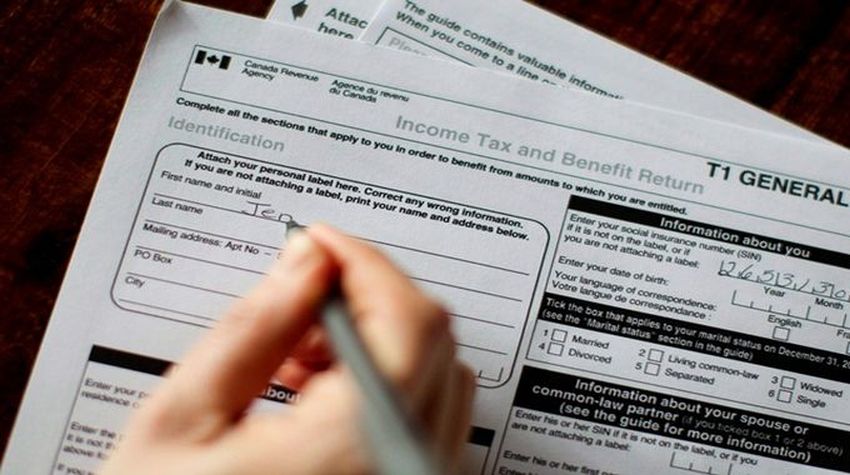
    Unexpected sources of money such as a birthday cheque from a relative or a bonus at work are considered sources of ‘found’ money. ‘Found’ money can be easily applied to your mortgage without any impact to your budget because it wasn’t money you were expecting or counting on. Consider increasing your RRSP contributions, and then put your income tax refund directly towards the principal of your mortgage.

    Example: A one-time payment of $5,000 on a $250,000 mortgage at 3.75% over 30 years will decrease your mortgage amortization by over 12 months.

    4. Make a lump sum anniversary payment
    Most banks will allow you to make an extra mortgage payment each year, which is applied directly to the principal. Taking advantage of this by making a lump sum payment, even if it’s as small as $100 a year, is a great way to chip away at your mortgage.

    Example: An annual lump sum payment of $250 on a $400,000 mortgage at 3.50% over 25 years, combined with a bi-weekly payment frequency will decrease your mortgage amortization by over 3.5 years.

    5. Stay informed
    Once you have a mortgage and start making your payments, it can be easy to just forget about it because it’s an automatic payment. To be an informed homeowner, you need to keep up-to-date on interest rates and new mortgage options. You could potentially save a ton of money just by understanding what your options are.

    Example: Let’s say that interest rates have dropped since you took out your mortgage a few years ago, but you are in the middle of a five-year fixed term with your bank. By understanding what the penalties are for breaking your mortgage, and reapplying for a lower interest rate, you could potentially save thousands of dollars over the long run.

    While paying down your mortgage early will mean less interest paid over the lifetime of the mortgage, and a shorter amortization schedule, it’s not always the best decision for every homeowner. For example, if you have high interest debt on a credit card, no emergency fund savings, or if you haven’t started saving for retirement yet, the interest you would save on your mortgage will not be as beneficial to you as dealing with other financial issues. Armed with information and commitment, these tips will help you pay off your mortgage faster. The freedom that being completely debt-free brings is a dream for many Canadians, so take the time to do some calculations and figure out what options are right for you.

     

  • 7 Most Common Financial Mistakes

    7 Most Common Financial Mistakes

    It is indeed a material world. When it comes to spending, North America is a culture of consumption. The result: rising levels of consumer debt and declining household savings rates. Don’t make these 7 most common financial mistakes. In 2008, this culture was hit hard by economic reality. According to the Federal Reserve, U.S. household debt grew steadily from the time they started tracking it in 1952. It declined for the first time in the third quarter of 2008. As a result of the credit crisis and ensuing economic recession, savings rates also rebounded.

    For those who had been living beyond their means for years, it suddenly got a lot harder to make ends meet. And, although the government tends to encourage spending during economic downturn and statistics may lead us to think that overspending is normal, it is often a risky choice. Here we’ll take a look at seven of the most common financial mistakes that often lead people to major economic hardship. Even if you’re already facing financial difficulties, steering clear of these mistakes could be the key to survival.

    Mistake No. 1: Excessive/Frivolous Spending
    Great fortunes are often lost one dollar at time. It may not seem like a big deal when you pick up that double-double, stop for a pack of cigarettes, have dinner out or order that PPV movie, but every little item adds up. Just $25 per week spent on dining out costs you $1,300 per year, which could go toward an extra mortgage payment or a number of extra car payments. If you’re enduring financial hardship, avoiding this mistake really matters – after all, if you’re only a few dollars away from foreclosure or bankruptcy, every dollar will count more than ever.

    Mistake No. 2: Never-Ending Payments
    Ask yourself if you really need items that keep you paying for every month, year after year. Things like cable television, subscription radio, video games, and cell phones can force you to pay unceasingly, but leave you owning nothing. When money is tight, or you just want to save more, creating a leaner lifestyle can go a long way to fattening your savings and cushioning you from financial hardship.

    Mistake No. 3: Living on Borrowed Money
    Using credit cards to buy essentials has become somewhat normal. But even if an ever-increasing number of consumers are willing to pay double-digit interest rates on gasoline, groceries and a host of other items that are gone long before the bill is paid in full, don’t be one of them. Credit card interest rates make the price of the charged items a great deal more expensive. Depending on credit also makes it more likely that you’ll spend more than you earn.

    Mistake No. 4: Buying a New Car
    Millions of new cars are sold each year, although few buyers can afford to pay for them in cash. However, the inability to pay cash for a new car means an inability to afford the car. After all, being able to afford the payment is not the same as being able to afford the car. Furthermore, by borrowing money to buy a car, the consumer pays interest on a depreciating asset, which amplifies the difference between the value of the car and the price paid for it. Sometimes a person has no choice but to take out a loan to buy a car, but how badly does any consumer really need a large SUV? Such vehicles are expensive to buy, insure and fuel. If you need to buy a car and/or borrow money to do so, consider buying one that uses less gas and costs less to insure and maintain.

    Mistake No. 5: Buying Too Much House
    When it comes to buying a house, bigger is also not necessarily better. Unless you have a large family, choosing a 6,000 square-foot home will only mean more expensive taxes, maintenance and utilities. Do you really want to put such a significant, long-term dent in your monthly budget?

    Mistake No. 6: Treating Your Home Equity Like a Piggy Bank
    Your home is your castle. Refinancing and taking cash out on it means giving away ownership to someone else. It also costs you thousands of dollars in interest and fees. Smart homeowners want to build equity, not make payments in perpetuity. In addition, you’ll end up paying way more for your home than it’s worth, which virtually ensures that you won’t come out on top when you decide to sell.

    Mistake No. 7: Living Paycheck to Paycheck
    The cumulative result of overspending puts people into a precarious position – one in which they need every dime they earn and one missed paycheck would be disastrous. This is not the position you want to find yourself in when an economic recession hits. If this happens, you’ll have very few options. Everyone has a choice in how they live, so it’s just a matter of making savings a priority.

    Making a Payment vs. Affording a Purchase
    To steer yourself away from the dangers of overspending, start by monitoring the little expenses that add up quickly, then move on to monitoring the big expenses. Think carefully before adding new debts to your list of payments, and keep in mind that being able to make a payment isn’t the same as being able to afford the purchase. Finally, make saving some of what you earn a monthly priority.

  • What to Know Before You Retire

    What to Know Before You Retire

    Retirement planning is about managing your money so you can make the most of your retirement years. Your retirement plan should balance your needs, wants and the reality of your finances. Below are a few tips about what to know before you retire.

    How Much You Need to Save Depends on 3 Things

    Age: When you start saving makes a big difference in how much you need to put away. The younger you are when you start, the less money you have to put aside, thanks to the power of compounding.

    Lifestyle: Do you plan to stay home or travel the world? The amount you’ll need to save will depend on the life you plan to lead when you retire. Not sure what your retirement lifestyle will cost?

    Federal Government Benefits: You could be entitled to government retirement benefits like the Canada Pension Plan (CPP), Old Age Security (OAS) and the Guaranteed Income Supplement (GIS). If you’re eligible for income from these government programs, you might not have to save as much.

    7 Tips for Last Minute Savers

    Take advantage of any unused RRSP contribution room – The government allows you to carry forward unused contributions each year. If you have unused contribution room, try to use it as soon as you can.

    Invest in a TFSA – As of January 2013, you can invest $5,500 each year. Your money grows tax-free and you don’t pay tax on the money you withdraw.

    Look for small ways to save – Consider cutting back on your spending for items like lottery tickets, magazines or fancy coffees. It may be better to live on a little less now, so you’ll have more when you really need it. Here are more ways to save.

    Take advantage of workplace pension or savings plans – Especially if your employer offers matching contributions.

    Save your bonuses & raises – Next time you get a bonus or raise, don’t spend it all. Try to put some of it toward your retirement savings.

    Consider saving less for your children’s education – If you have to choose between saving for retirement and your children’s education, put money in your RRSP first. Let your children get jobs or borrow to help pay for their education.

    Revisit your investment strategy – Look for ways to get a little more growth without more risk. If you choose only the most conservative investments, your savings may not grow fast enough to give you the income you need after you retire.

  • How to Talk to Your Kids About Money

    How to Talk to Your Kids About Money

    In some families, how to talk to your kids about money can be more uncomfortable than talking about sex. Many parents don’t know how to approach the topic of money, and some avoid it altogether. By starting the discussion early, you can make it easier to talk about this tough topic later, when your child is making larger purchases, thinking about getting a job, or beginning financial planning for college.

    Practice Smart Spending
    Talk with your children about how you make spending choices based on more than just affordability. Use language like “We’re not going to spend our money that way because…” or “It’s not a good value because…,” rather than just saying, “It’s too expensive,” which may give the impression that you would buy it if you could afford it.

    Create Learning Opportunities
    If you’re refinancing your mortgage, you have an opportunity to discuss the concept of interest and the importance of paying off loan balances quickly. When you’re taking out a car loan, talk about how loans allow you to pay for things that you don’t have the money for, but you end up paying more in the long run. Bring your kids with you to the bank. If you’re making a deposit in a savings account, talk about the importance of ‘saving for a rainy day’.

    Honesty as the Best Policy
    If you are facing financial difficulty, be honest with your children. You don’t need to worry them with all the details, but it is helpful for them to learn that money isn’t magical—it doesn’t just appear when you need it.

    Stress Wants vs. Needs
    Many kids—especially young ones—have difficulty differentiating between wants and needs. When your child says she ‘needs’ something, ask if she really needs it, or if she just wants it. Make sure your child understands the difference, and start paying attention to what you’re saying and the example you’re setting—for example, do you really need an expensive cup of coffee to get you through the morning?

    Keep an Open Dialogue
    When you’re out shopping, talk with your kids about why you make the purchases you do. Are you influenced by advertising? Pricing? The quality of the product? How do you choose one product over another? Help your child start thinking carefully about making purchases.

    Be an Example
    Discuss with your children the choices you make with your money. For example, how does your caring for others impact how you save, spend, and give money away? Why do you sometimes wait to make certain purchases? What does it mean to you to be responsible with your money?

    Highlight the Positive
    Many financially savvy practices, such as buying secondhand, donating old clothes to a thrift store, and reusing and recycling goods, are also good for the environment. Point out that not only are you saving money by doing these things, but you’re also taking action to help preserve the environment.

  • What You ‘Should’ Do with Your Tax Refund

    What You ‘Should’ Do with Your Tax Refund

    If you’re getting cash back this year from filing your income taxes, hold off on booking those plane tickets. There are ways to get the most ‘bang’ for your refund bucks.

    1. Contribute to a Registered Retirement Savings Plan (RRSP)

    If you spend your RRSP refund… you unknowingly end up investing less than you started with, and less than most think. If you spend your RRSP refund, you are converting dollars that have already been taxed into RRSP dollars that will be taxed again later when you withdraw the funds. Many people mistakenly think that if they put $3,000 in their RRSP and spend their refund, they’ve added $3,000 to their retirement fund. But if you’re in a 40% tax bracket and spend the $1,200 refund, you’ve only invested $1,800 of the $3,000 you started with. And if you reinvest that $1,200, you’ve already contributed $4,200.

    2. Pay Down Debt

    Attack those high-interest debts first. Credit cards and unsecured credit lines can charge interest ranging from 6 to 21% and can be a real strain on cash flow, preventing you from getting ahead. With credit cards typically charging 19 to 21% on unpaid balances, you are unlikely to find an investment that will guarantee you a higher return to justify investing rather than paying off debt.

    3. Put the Money Towards Your Mortgage

    This isn’t necessarily for everyone, but there are good reasons to consider making a lump-sum payment. Even though mortgage rates are very low, we know they will go up eventually. By putting a lump sum down on the mortgage now, the payments when you renew the mortgage may still be manageable. Using your tax return to pay down your mortgage will not only give you a guaranteed rate of return, but it will also ensure that you’re mortgage-free sooner and save you thousands in interest over the life of your mortgage.

    4. Open or Contribute to a Tax-Free Savings Account (TFSA)

    If your income is currently below where you project it to be at retirement, you may want to look at maximizing your TFSA. Similar to an RRSP, this account allows you to earn investment returns tax free. Although you receive no tax deductions, you are consequently not taxed on withdrawals. Not having any contribution room left for an RRSP is another argument for contributing toward a TFSA.

    5. Get Smart About Saving

    If you have children, keep in mind just how costly their post-secondary education is going to be. By catching up on RESP (Registered Education Savings Plan) contributions, you can receive up to a 20% matching contribution from the Canadian Government in the form of a Canadian Education Savings Grant. That’s an impressive rate of return on investment without taking any risk. Another option is to spend the funds on your own education as a means to improve your skill set and move up the ladder or transition to another career altogether.

    6. Look into Life Insurance

    It can be hard to see the benefits of this investment, but it’s worth remembering that anything can happen. Life insurance is essential, especially for young families. You need to cover your debts and protect from loss of income to ensure the well-being of surviving family members. Even though life insurance can be inexpensive, some young families have a difficult time finding the cash flow to pay for it. Using a tax refund to fund the annual premiums can be a way to not affect day-to-day living expenses but still ensure you and your family are protected in the event of premature death.